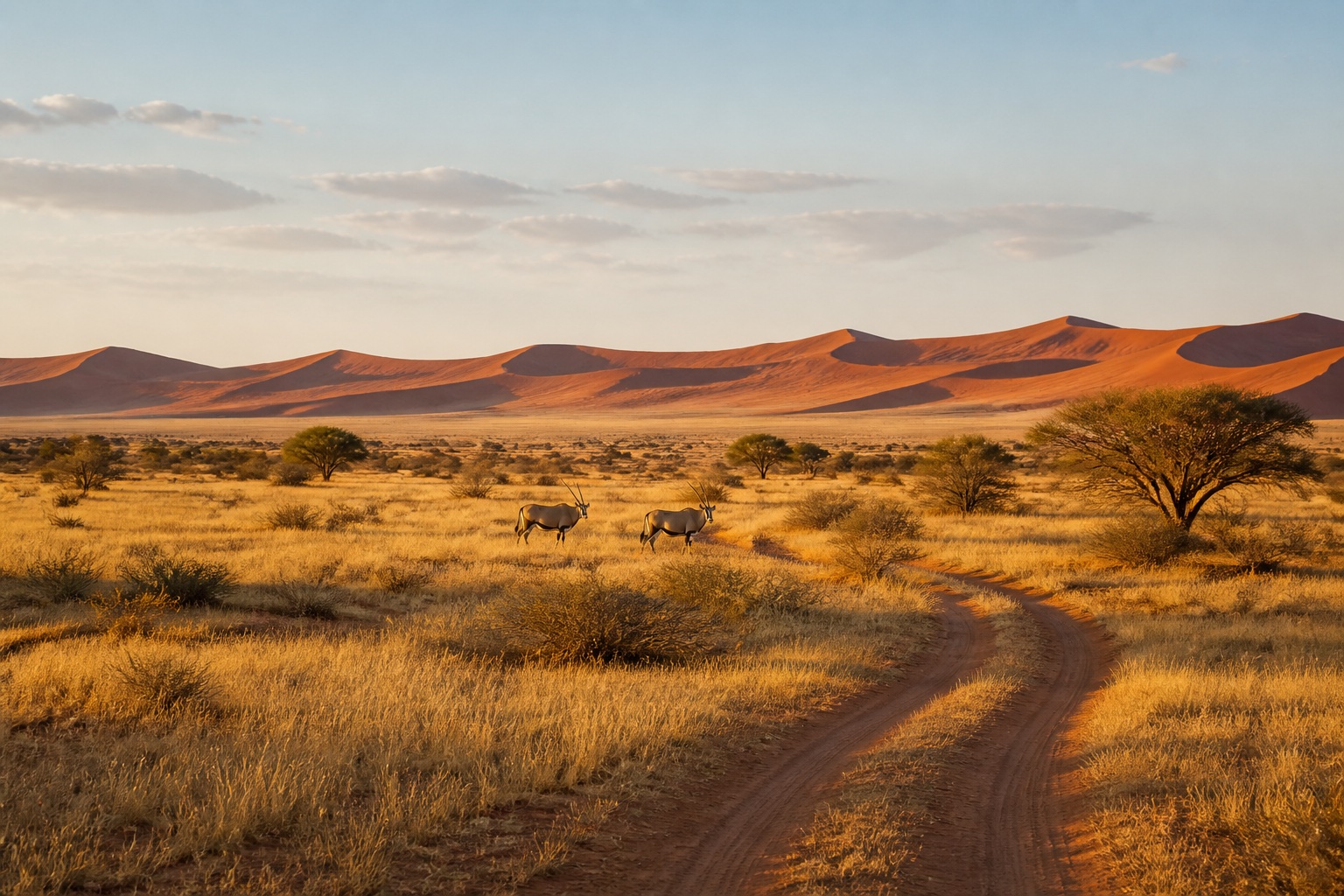
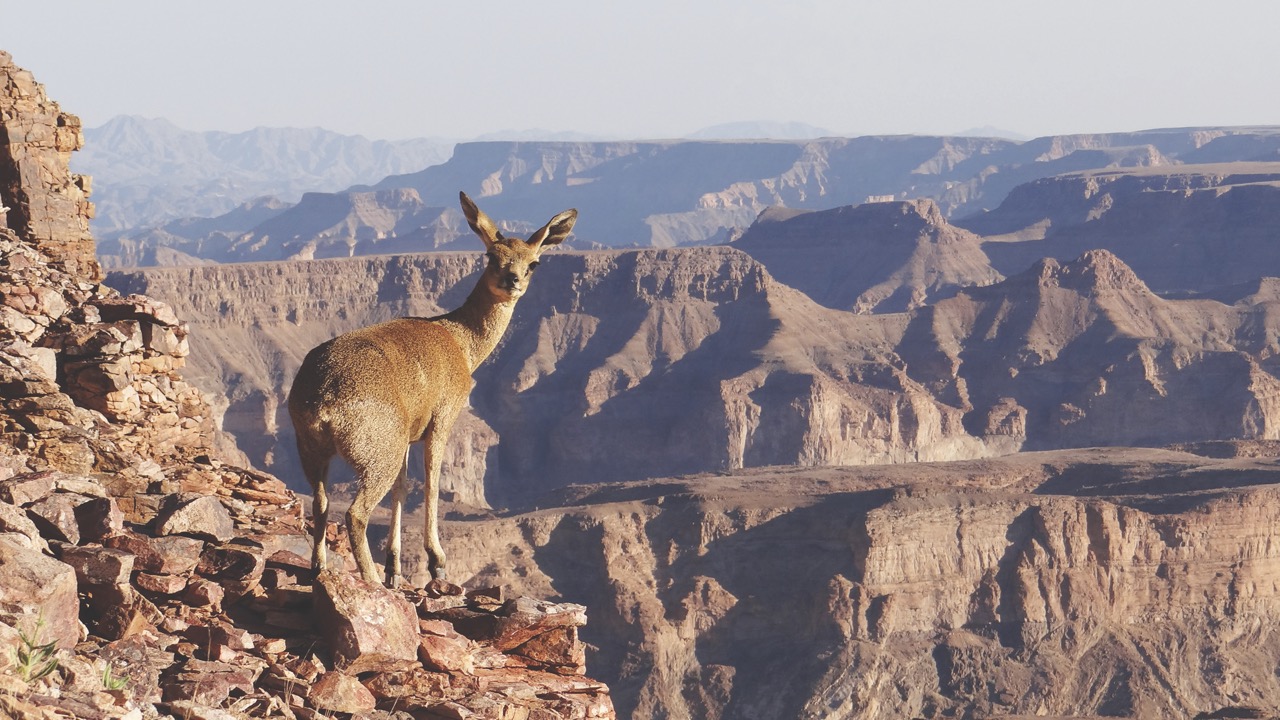
Namibia’s regions are remarkably different from one another. A single journey can move from red Kalahari dunes and the immense canyon country of the south to the apricot dunes of Sossusvlei, the cool Atlantic coast, Etosha’s wildlife-rich plains and the river forests of the far northeast. Understanding these regions is the best way to build an itinerary that feels varied, rewarding and realistic.
The map may make Namibia look simple, but the country is vast and driving days often include gravel roads, wildlife stops and irresistible viewpoints. For that reason, a good route is more than a list of famous places. It connects landscapes in a sensible order, allows enough time at each base and chooses accommodation for its location as carefully as for its style.
Discover Namibia region by region
Namibia is often introduced through a handful of icons: Sossusvlei, Etosha, Swakopmund and the Fish River Canyon. Those places deserve their reputation, yet the spaces between them are equally important. Central Namibia provides an easy beginning around Windhoek. The Waterberg and central north add walking, history and private reserves. Damaraland and Kaokoland reveal ancient geology, community conservancies and desert-adapted wildlife. In the northeast, the Kavango and Zambezi rivers transform the country into a greener safari landscape.
Each regional guide below explains what makes the area distinctive, how much time to allow, when to travel and what to consider when choosing accommodation. Use the cards as a starting point, then combine the regions that best match your interests and available time.
How Namibia’s main travel regions fit together
Windhoek and the central highlands
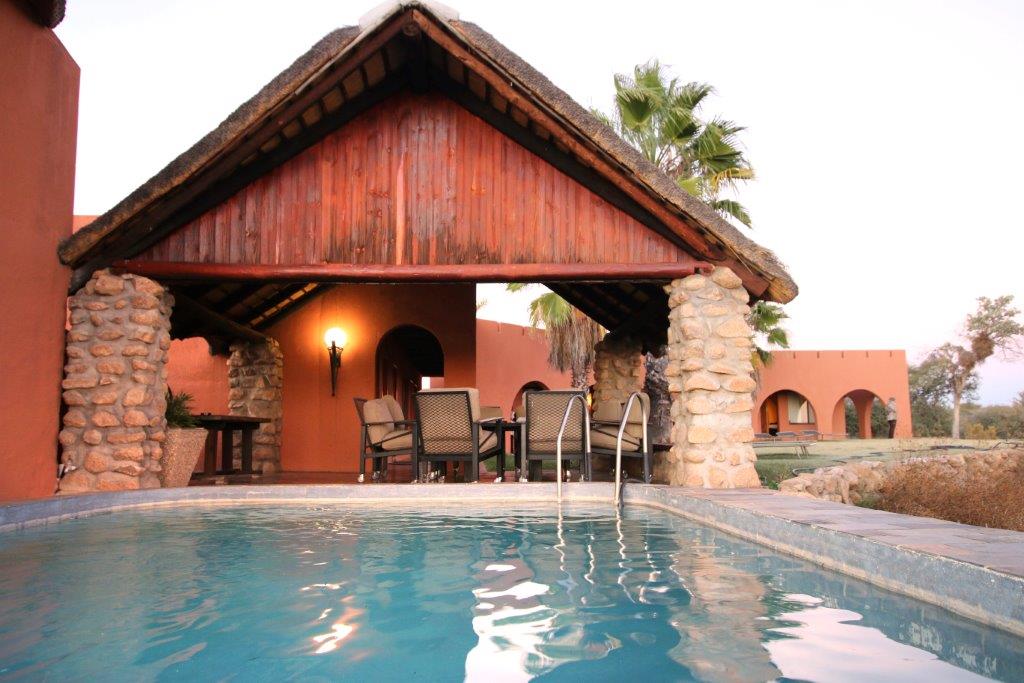
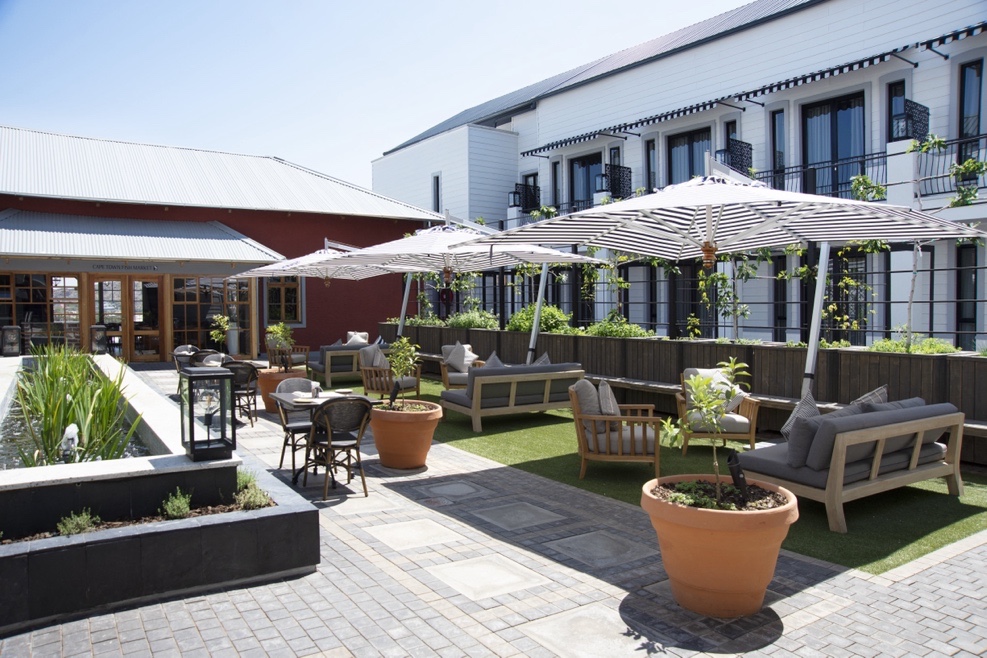
Most journeys begin or end in Windhoek and Central Namibia. The capital is the country’s transport hub and a useful place to recover after a flight, collect a rental vehicle and prepare for the road. Lodges outside the city offer a quieter introduction, while the central highlands connect naturally with the Kalahari, Waterberg, Etosha and the Namib Desert.
The Namib Desert and Atlantic coast
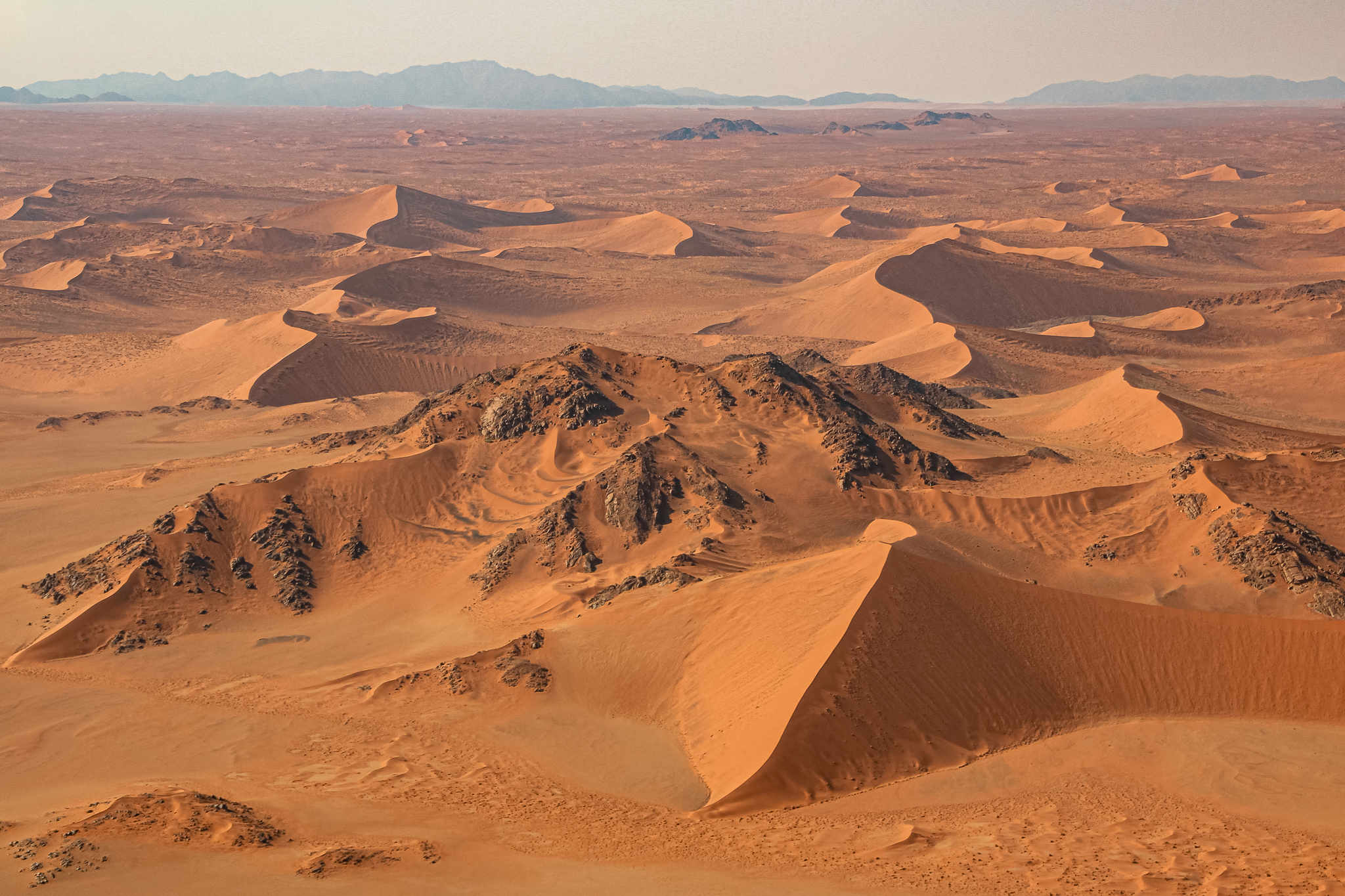
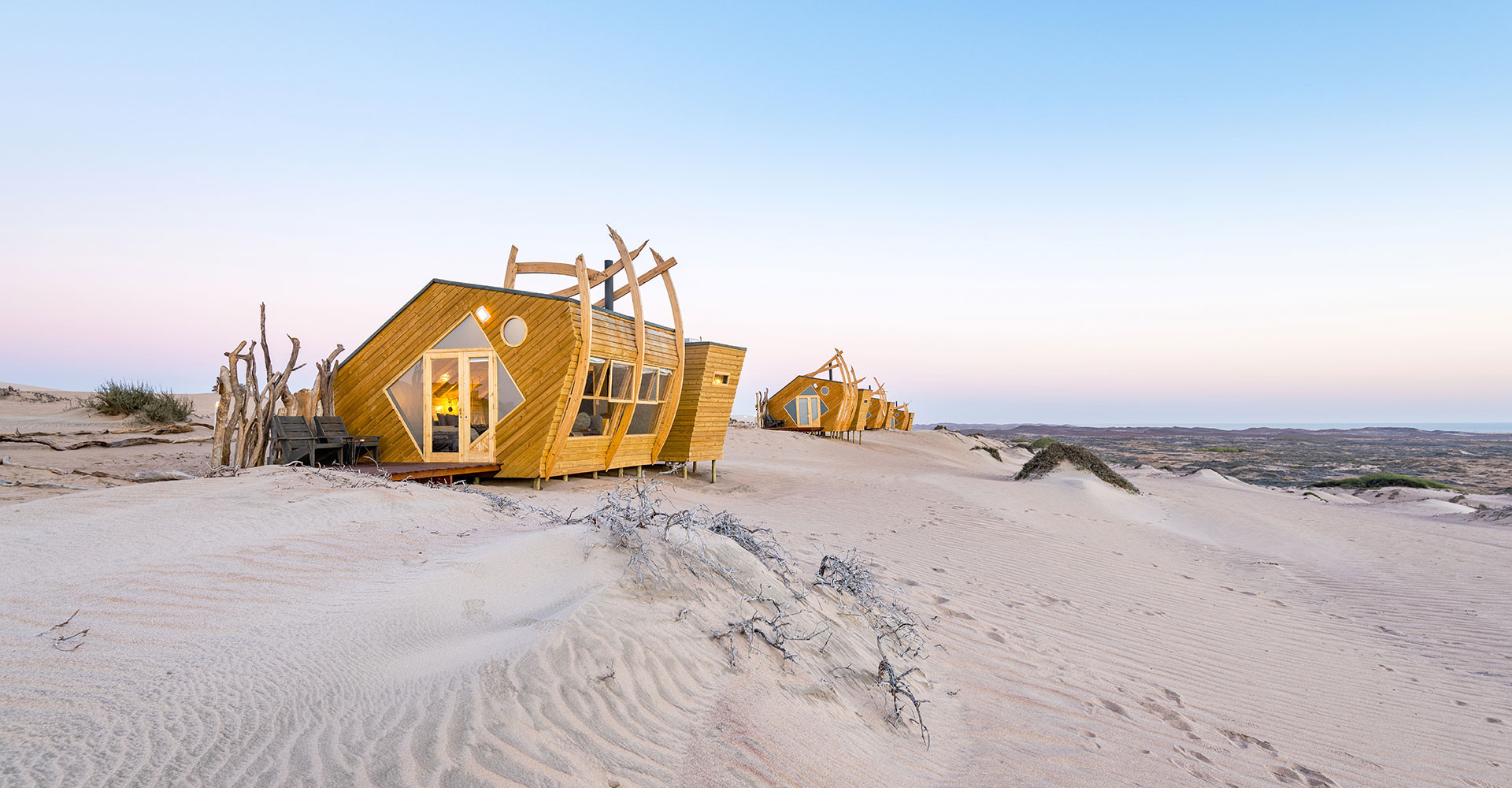
Sossusvlei and the Namib Desert deliver towering dunes, clay pans, stargazing and some of Namibia’s most celebrated scenery. From there, many routes continue to Swakopmund and the coast, where desert adventures meet boat cruises, seafood, historic architecture and cool Atlantic air. Together, these regions create a memorable contrast between elemental wilderness and a lively coastal pause.
Etosha, the Waterberg and the north
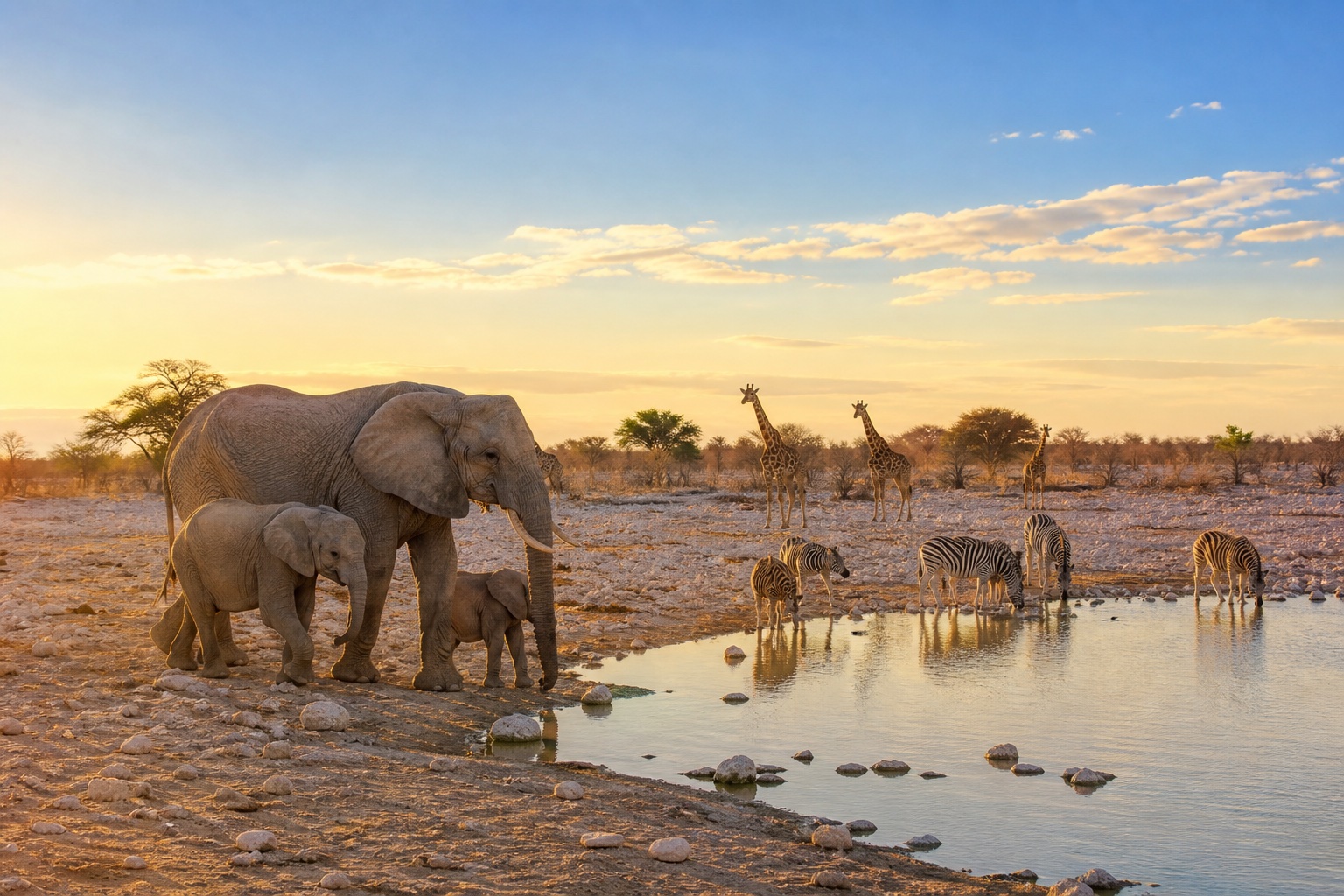
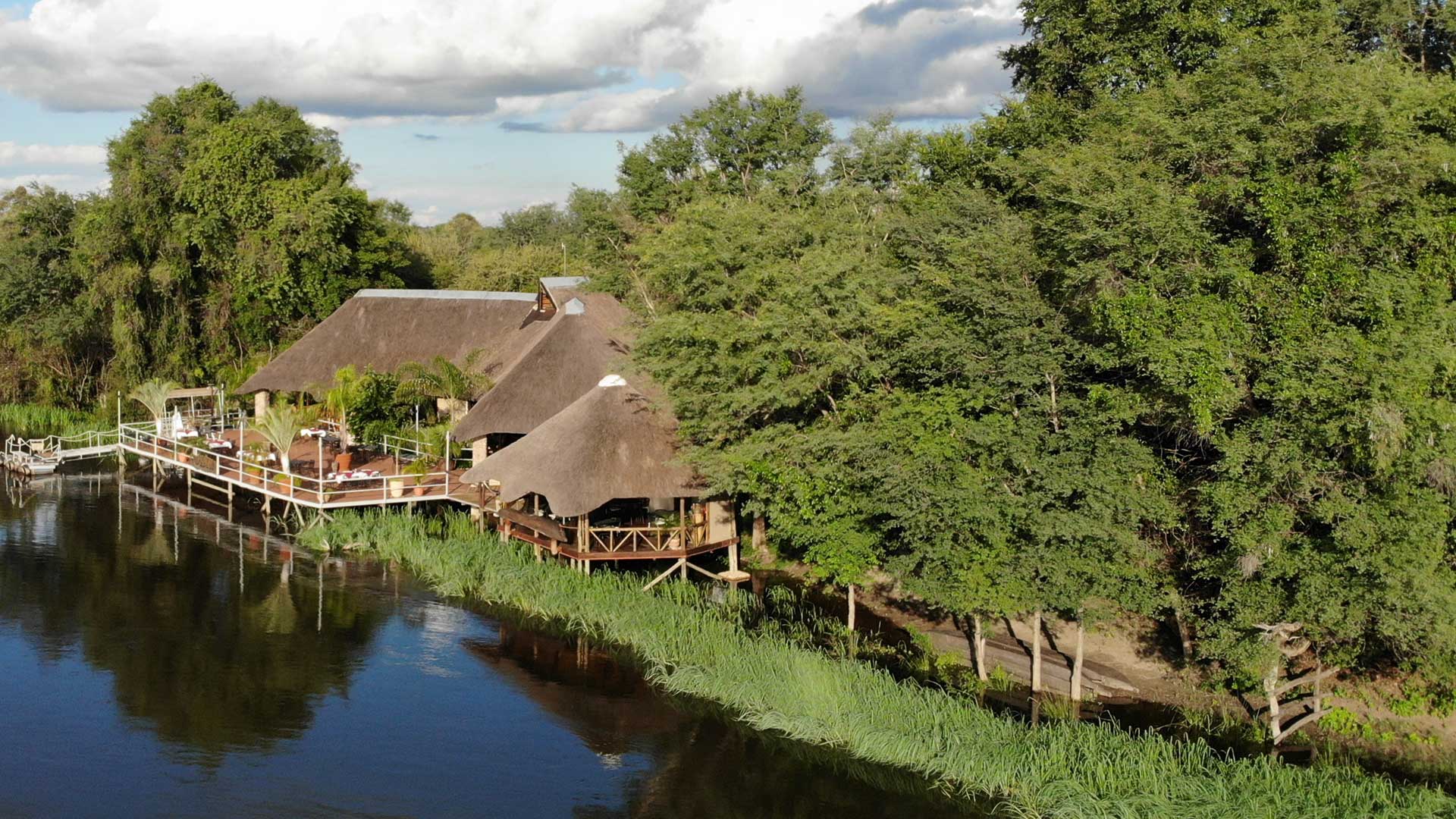
Etosha and its surrounding private reserves form Namibia’s classic wildlife heartland. Waterholes, open plains and the vast salt pan make every safari day different. South of the park, the Waterberg and Central North add red sandstone cliffs, walking trails and conservation history. Travellers with more time can continue east into the greener river landscapes of Zambezi and Kavango.
Damaraland, Kaokoland and the remote northwest
Damaraland and Kaokoland reward travellers who enjoy space, geology and a stronger sense of expedition. Twyfelfontein’s rock engravings, granite massifs, dry river valleys, community conservancies and the possibility of tracking desert-adapted wildlife make the northwest one of Namibia’s most compelling regions. Routes become more demanding farther north, so vehicle choice and realistic travel times matter.
The Kalahari and southern Namibia
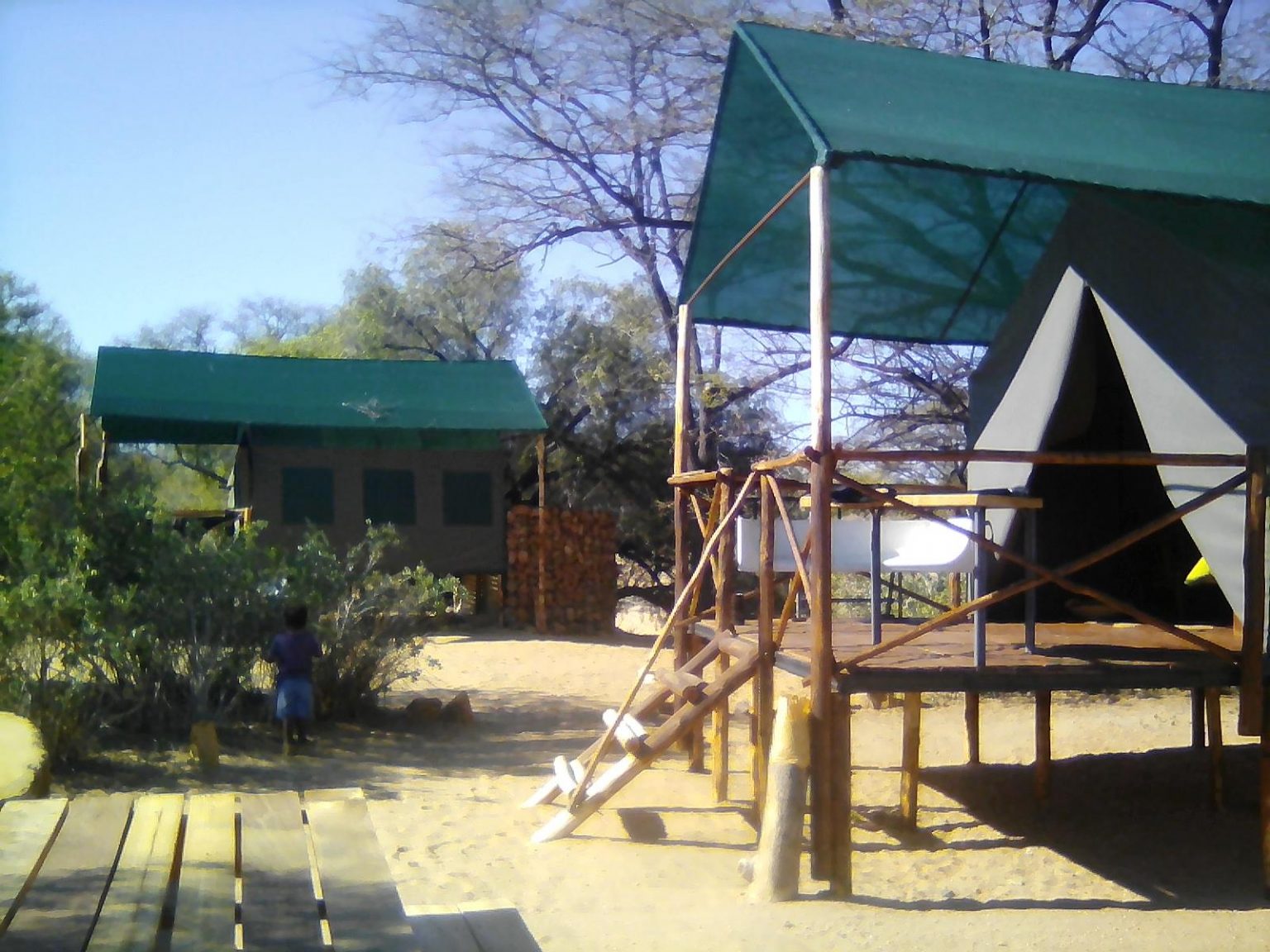
The Kalahari is a semi-arid savanna of parallel red dunes, grasslands and camel-thorn trees. It works beautifully as a first or final wilderness stay. Farther south, southern Namibia brings together the Fish River Canyon, Lüderitz, Kolmanskop, quiver-tree country and the Orange River. The distances are considerable, but the quiet roads and dramatic landscapes repay an unhurried itinerary.
Choose regions to match your travel style
- Wildlife and safari: prioritise Etosha, then consider private reserves in the central north and river-based safaris in Zambezi and Kavango.
- Landscapes and photography: combine Sossusvlei, the coast, Damaraland and the canyon country of the south.
- Self-drive adventure: build a logical circuit with manageable stages, dependable fuel stops and accommodation reserved in advance.
- Culture and history: include responsibly guided experiences in Windhoek, the northwest and community conservancies, together with Lüderitz and Kolmanskop.
- Walking and slower travel: allow extra nights around the Waterberg, desert reserves, canyon landscapes and selected private lodges.
- Birding and waterways: give the Kavango and Zambezi rivers several nights, especially if boat activities and smaller national parks are priorities.
How many Namibia regions can you visit?
For a journey of seven to ten days, two or three regions usually create a satisfying pace. Two weeks can combine four or five areas without turning every day into a transfer. Three weeks open the door to a broader circuit or a deeper journey into the south or northwest. Attempting to cover the entire country in one short holiday usually means seeing Namibia through a windscreen instead of experiencing it.
Season, road conditions, flight times and the position of each lodge all influence the final plan. A property may look close to a landmark on a map yet sit several hours away by road. Our team can compare the real driving time, available activities and accommodation style before fitting each stay into the route.
Plan a well-paced journey through Namibia
Begin with the landscapes and experiences that matter most to you. Then browse the nine regional guides below for detailed planning advice and handpicked places to stay. You can also explore our Namibia self-drive safari routes, compare guided Namibia safaris or browse all Namibia accommodation.
When you are ready, tell Travel 2 Namibia your dates, group size, preferred travel style and the regions on your wish list. We will help turn them into a coherent journey with practical driving days, suitable accommodation and enough time to enjoy the country rather than rush across it.