Livingstone’s Camp beside the Linyanti Wetlands
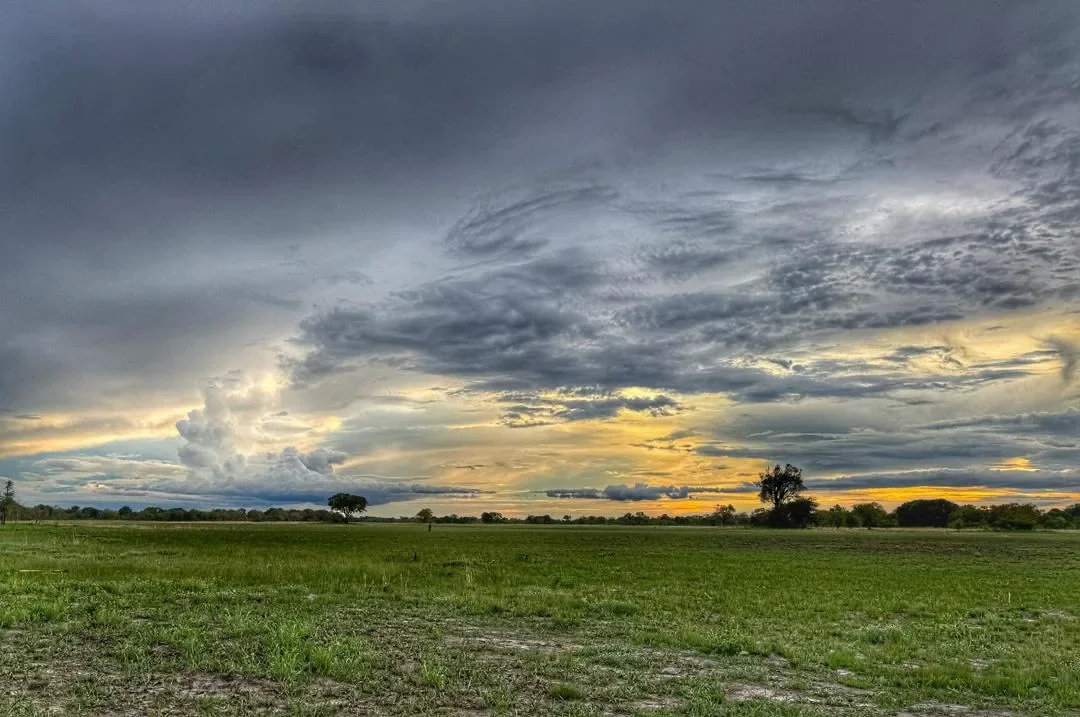
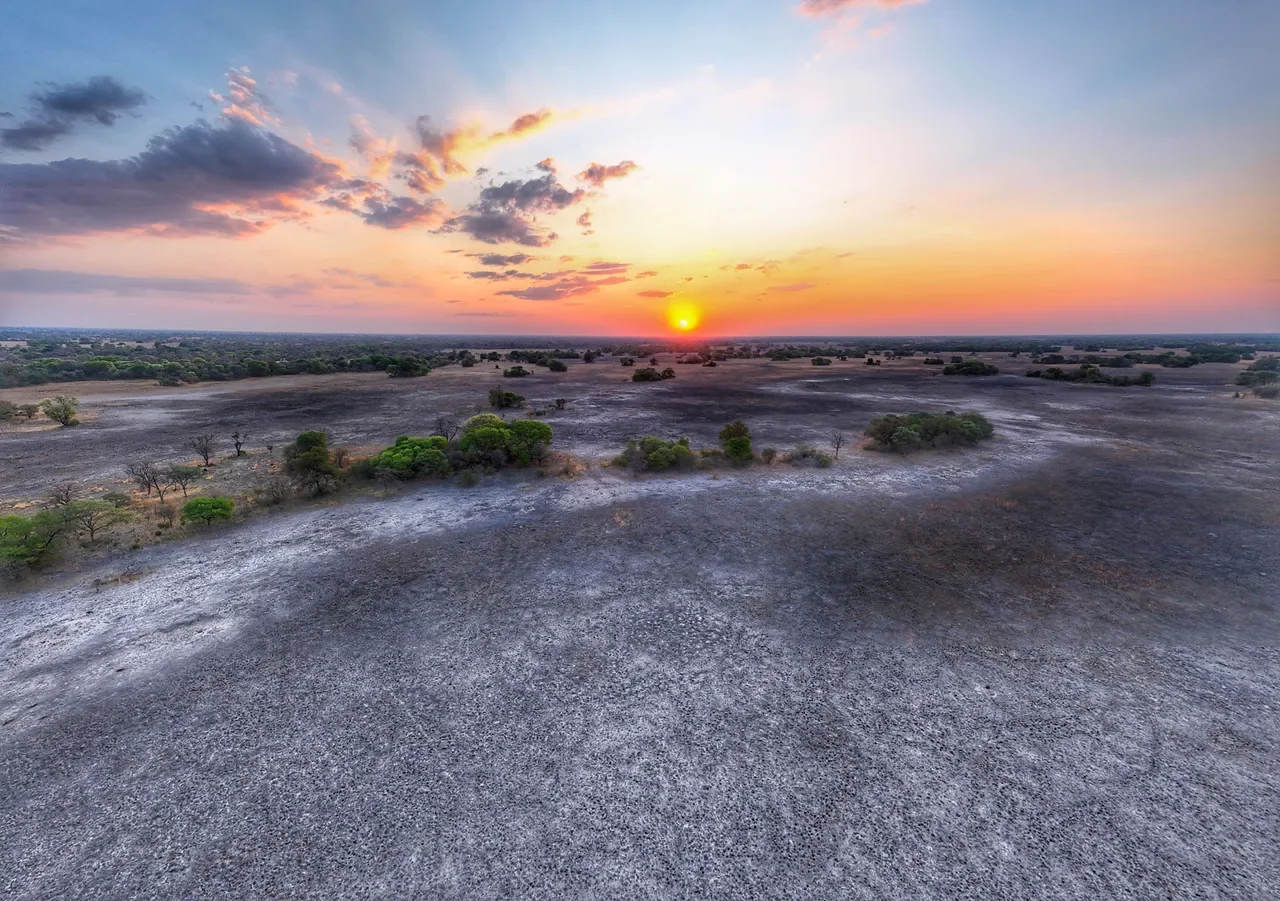
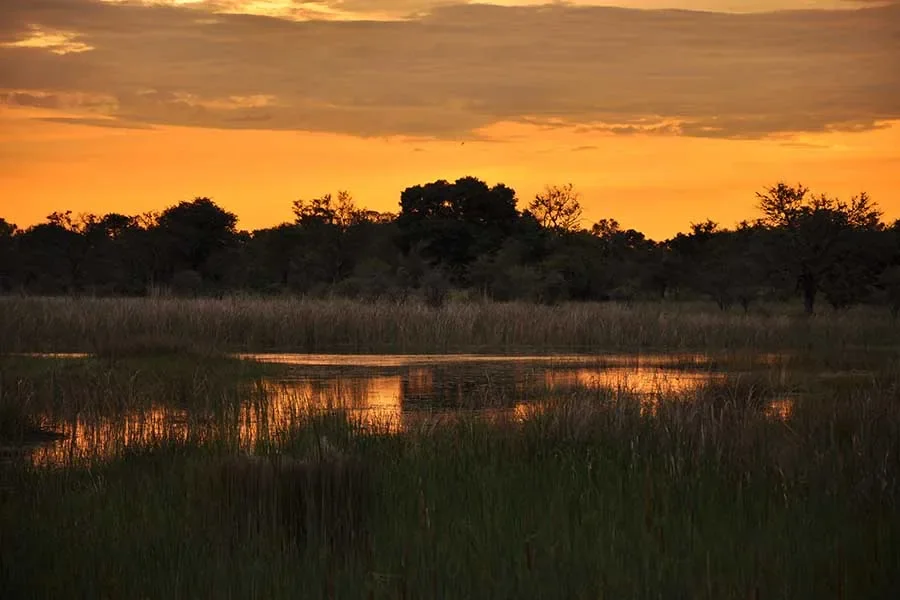
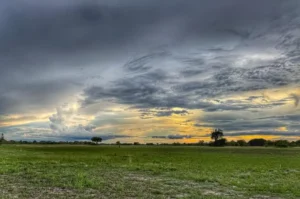
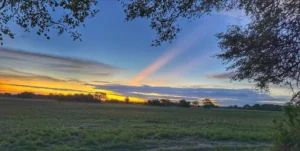
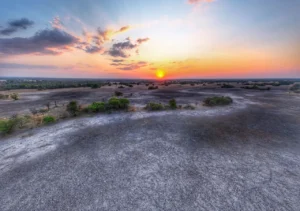
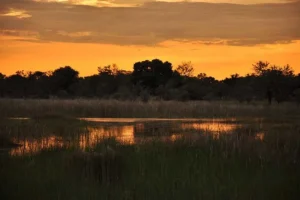
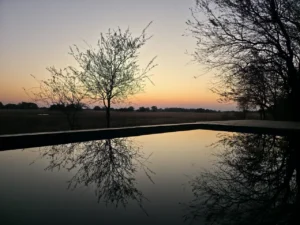
Livingstone’s Camp overlooks seasonal floodplains in the Wuparo Conservancy, close to Nkasa Rupara National Park. Here, in Namibia’s Zambezi and Kavango region, channels, reedbeds, grassland and woodland create a very different setting from the country’s familiar desert landscapes. Come for time beside the water, guided exploration and the freedom to choose between private camping and self-catering accommodation.
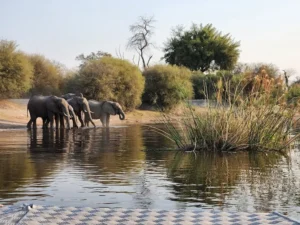
The area is sometimes called Namibia’s Mini Okavango, a description of its wetland character rather than its geography: this is the Linyanti system, with its own identity. Water levels rise and fall, changing the views, access routes and experiences available. A stay is shaped by these natural conditions rather than a fixed, year-round activity programme.
The camp works with the Wuparo Conservancy through community-based tourism. Its name reflects the wider area’s connection with Dr David Livingstone’s journeys, a history you can explore through a pre-arranged museum visit.
Choose private camping, a chalet or a family house
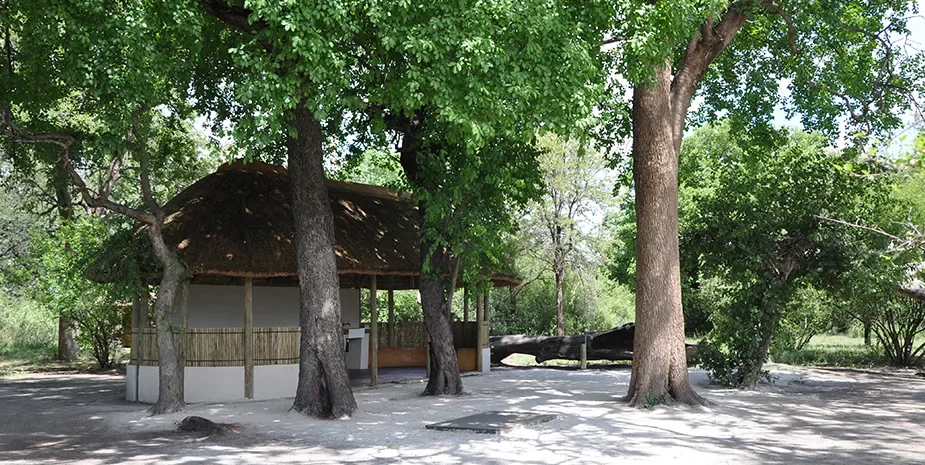
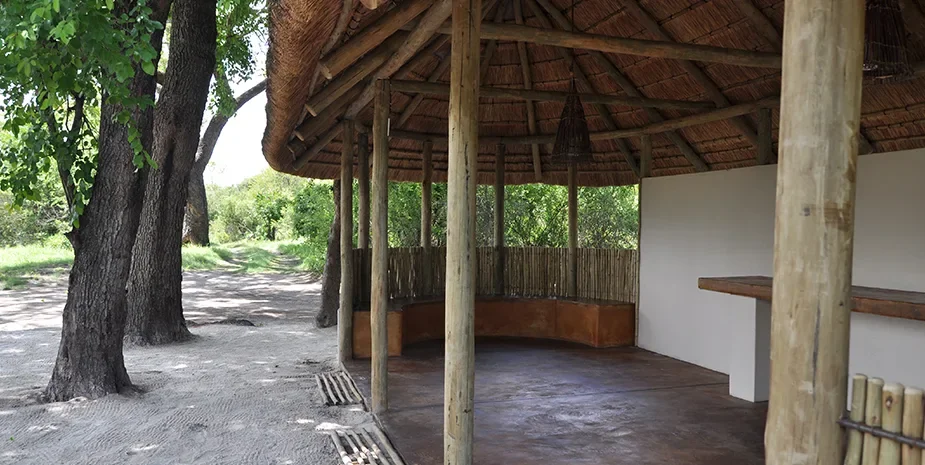
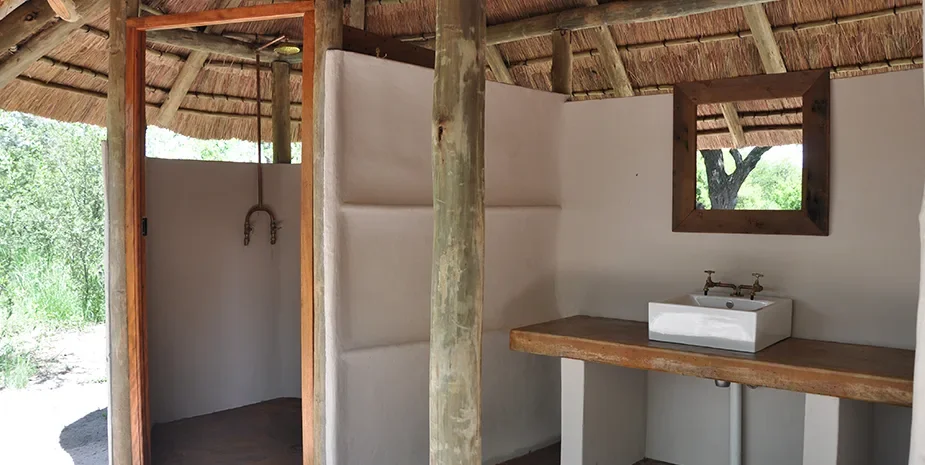
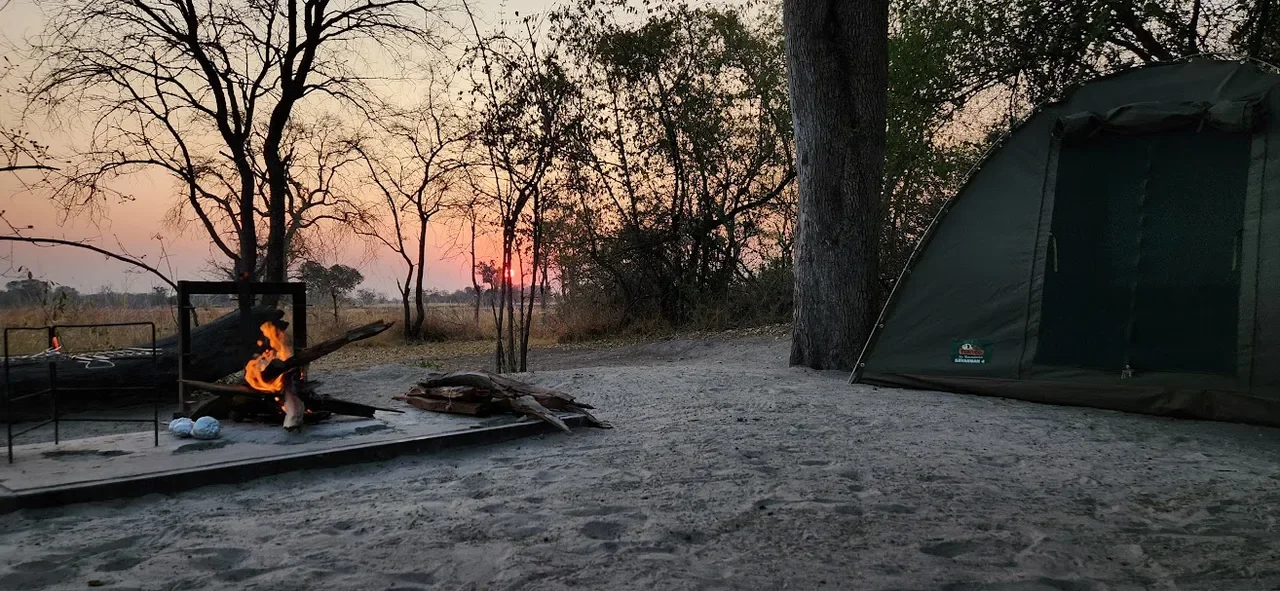
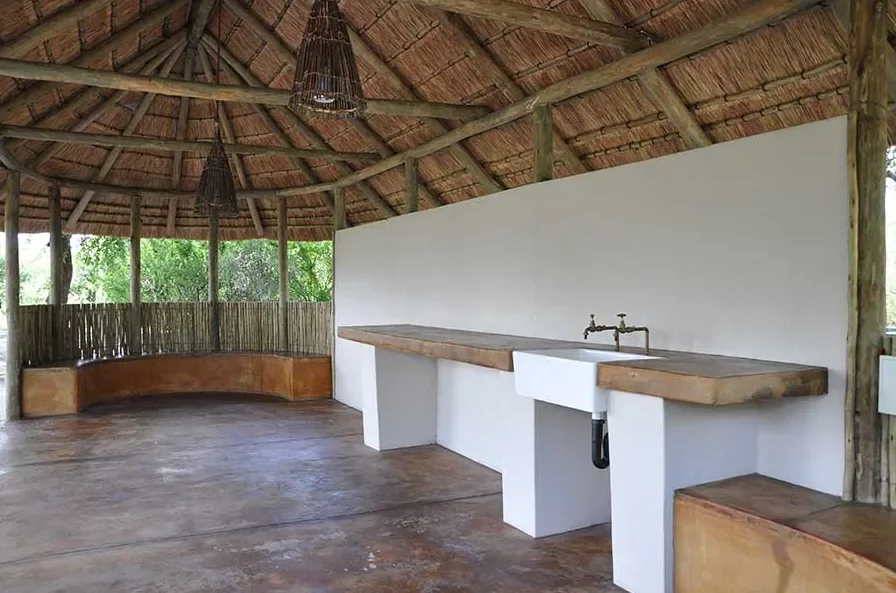
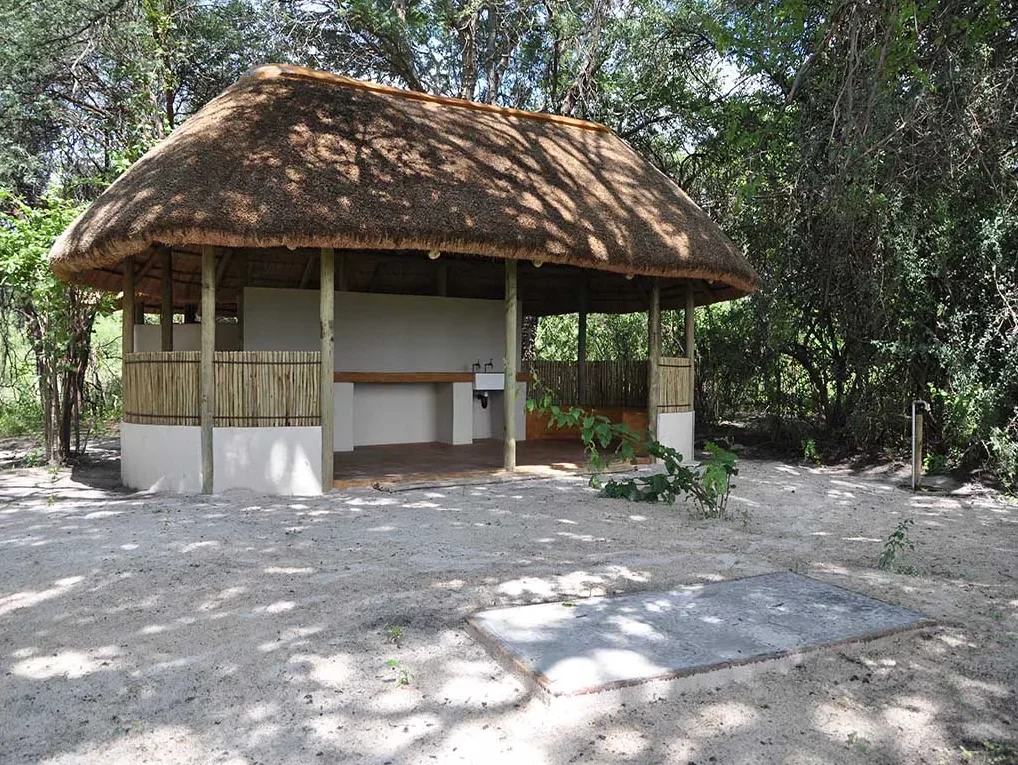
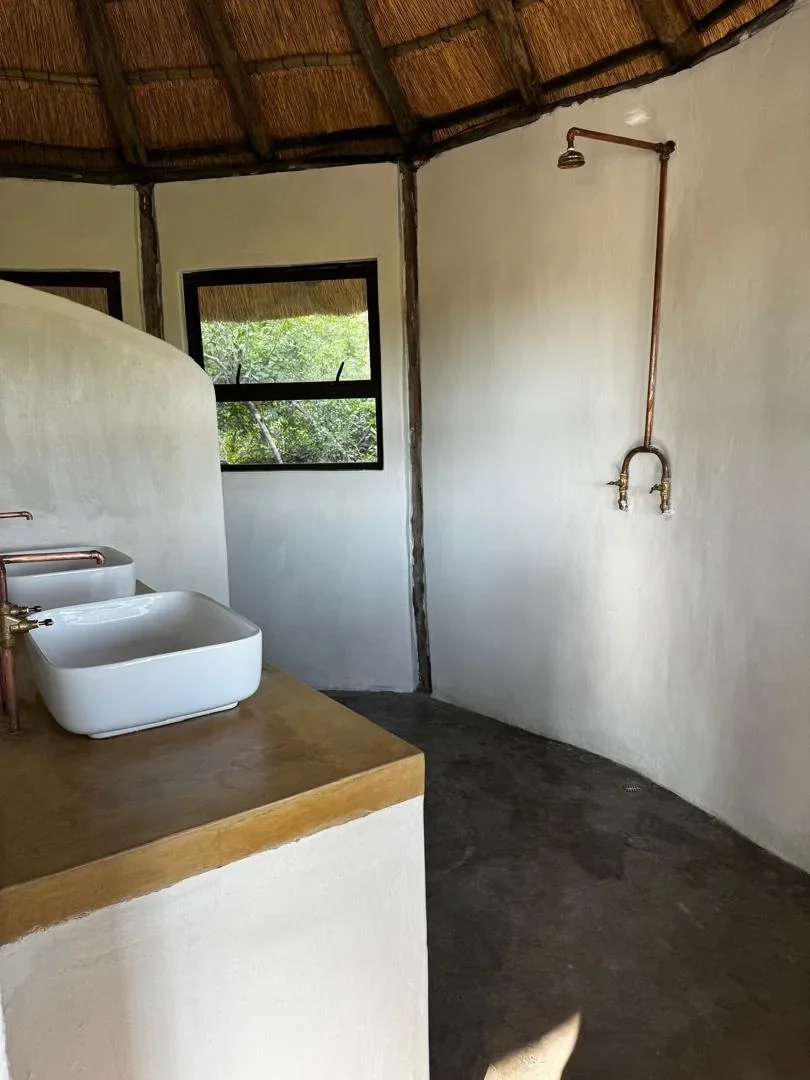
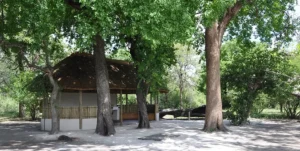
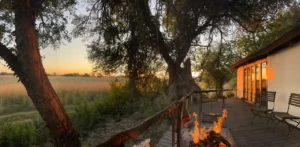
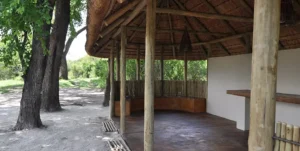
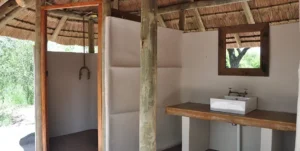
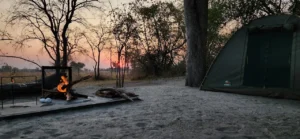
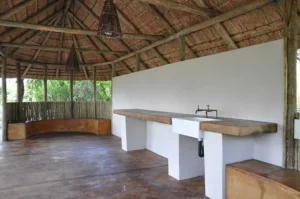
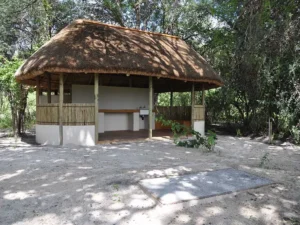
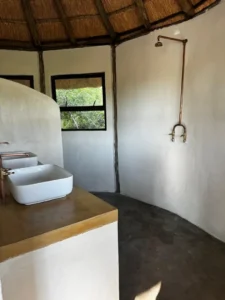
Four exclusive private campsites offer space beneath mature trees and views towards the wetlands. Each has its own bathroom with a hot shower and flush toilet, together with a shaded kitchen or lapa area. A basic solar system provides lighting and charging for small items. These sites suit independent self-drive travellers who want their own facilities rather than shared ablutions. Bring your camping equipment, food and personal supplies; arrange any meals you would like at camp before arrival.
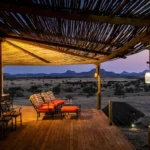
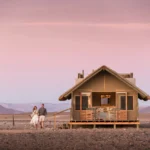
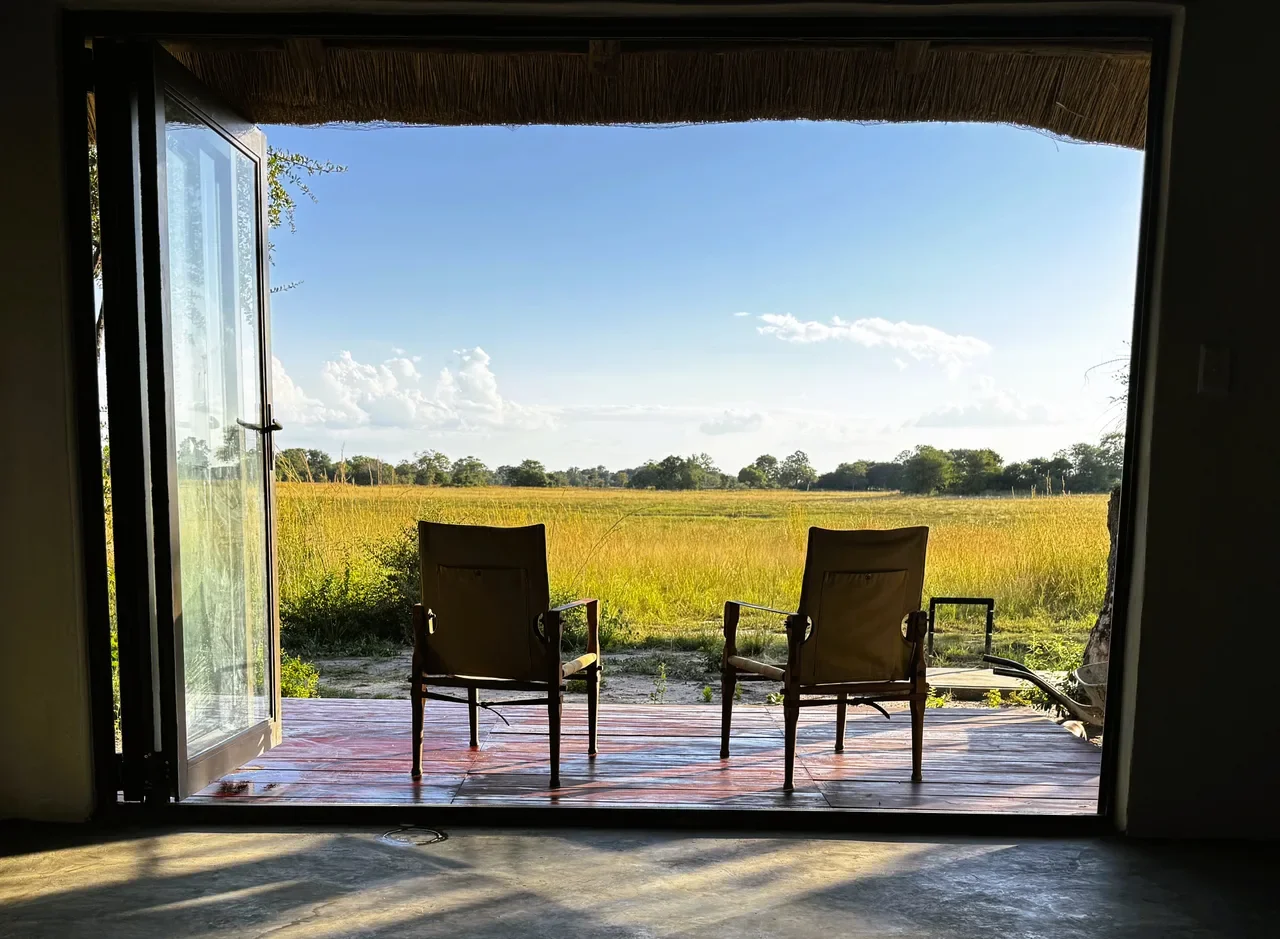
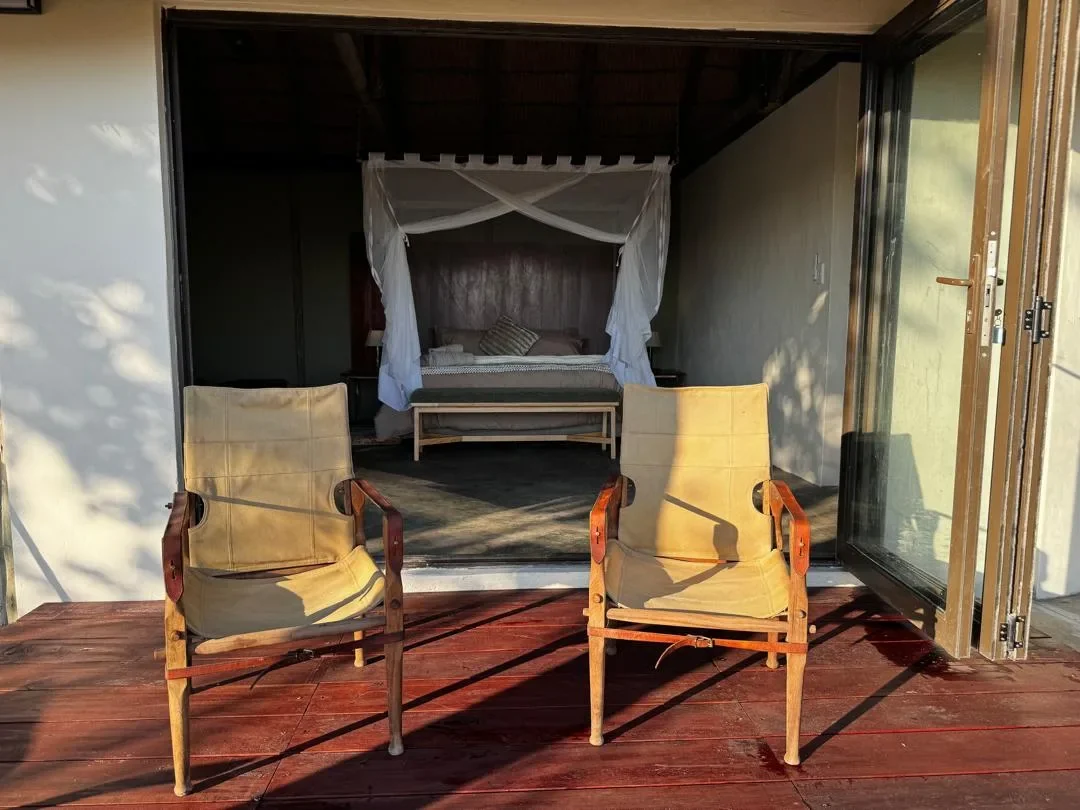
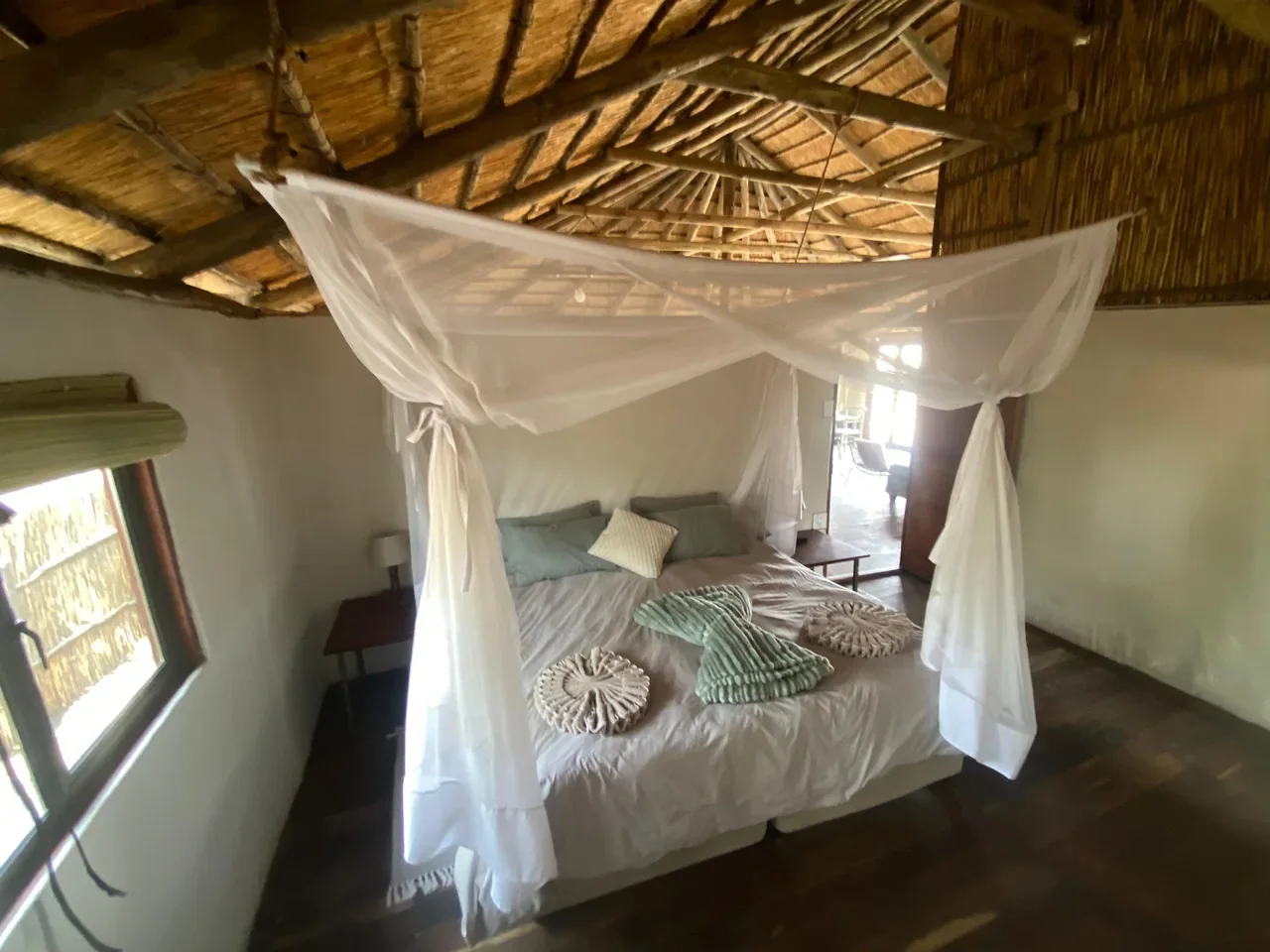
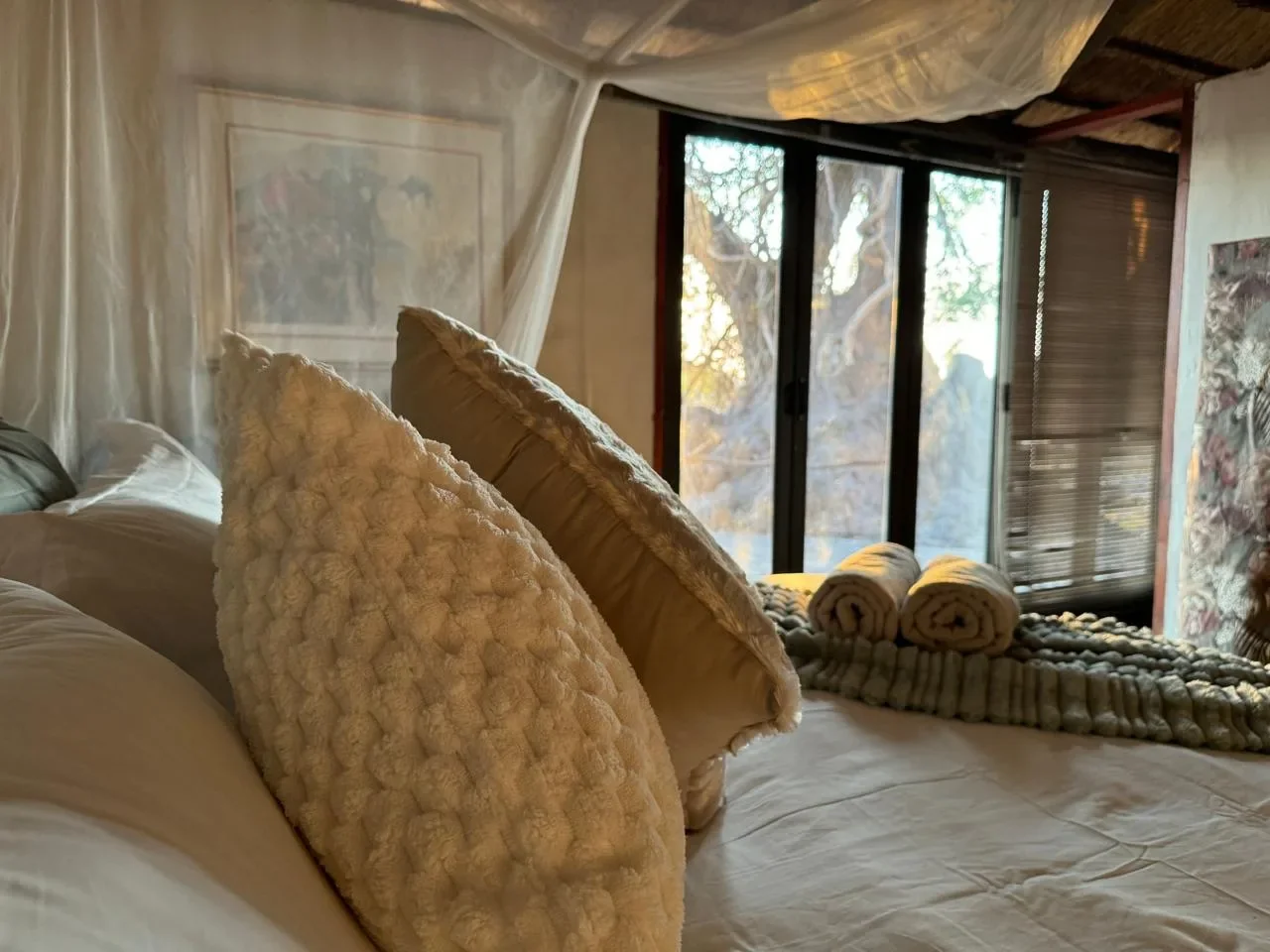
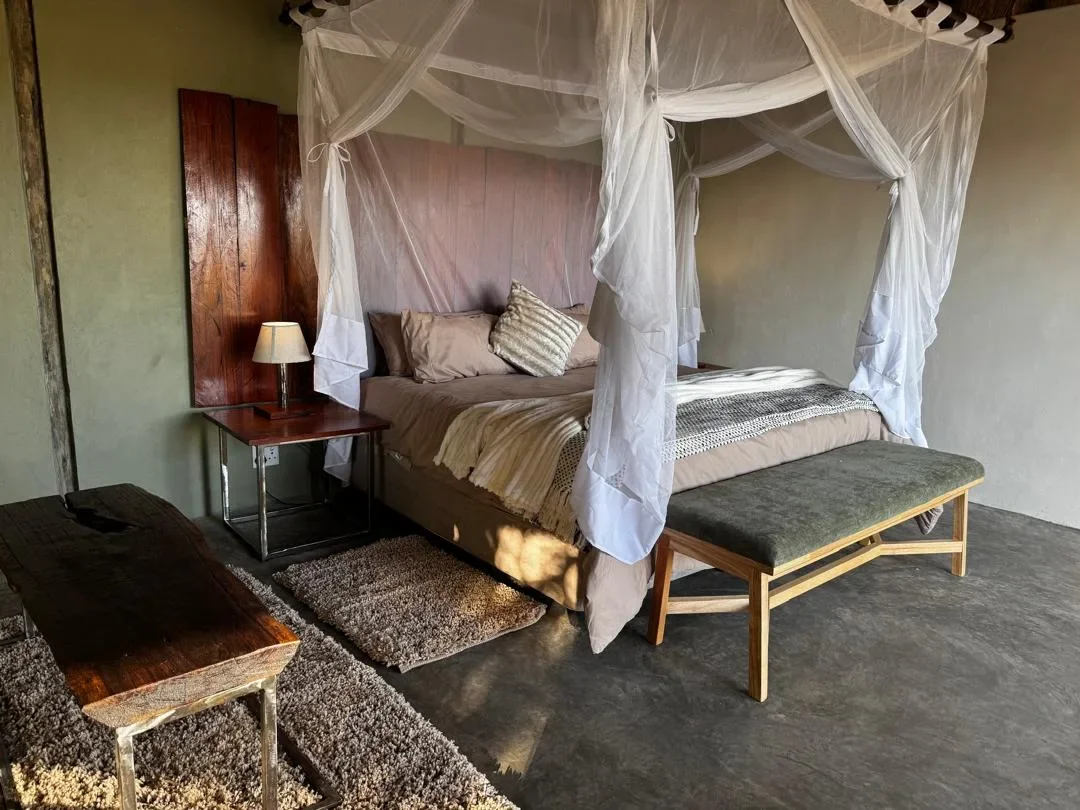
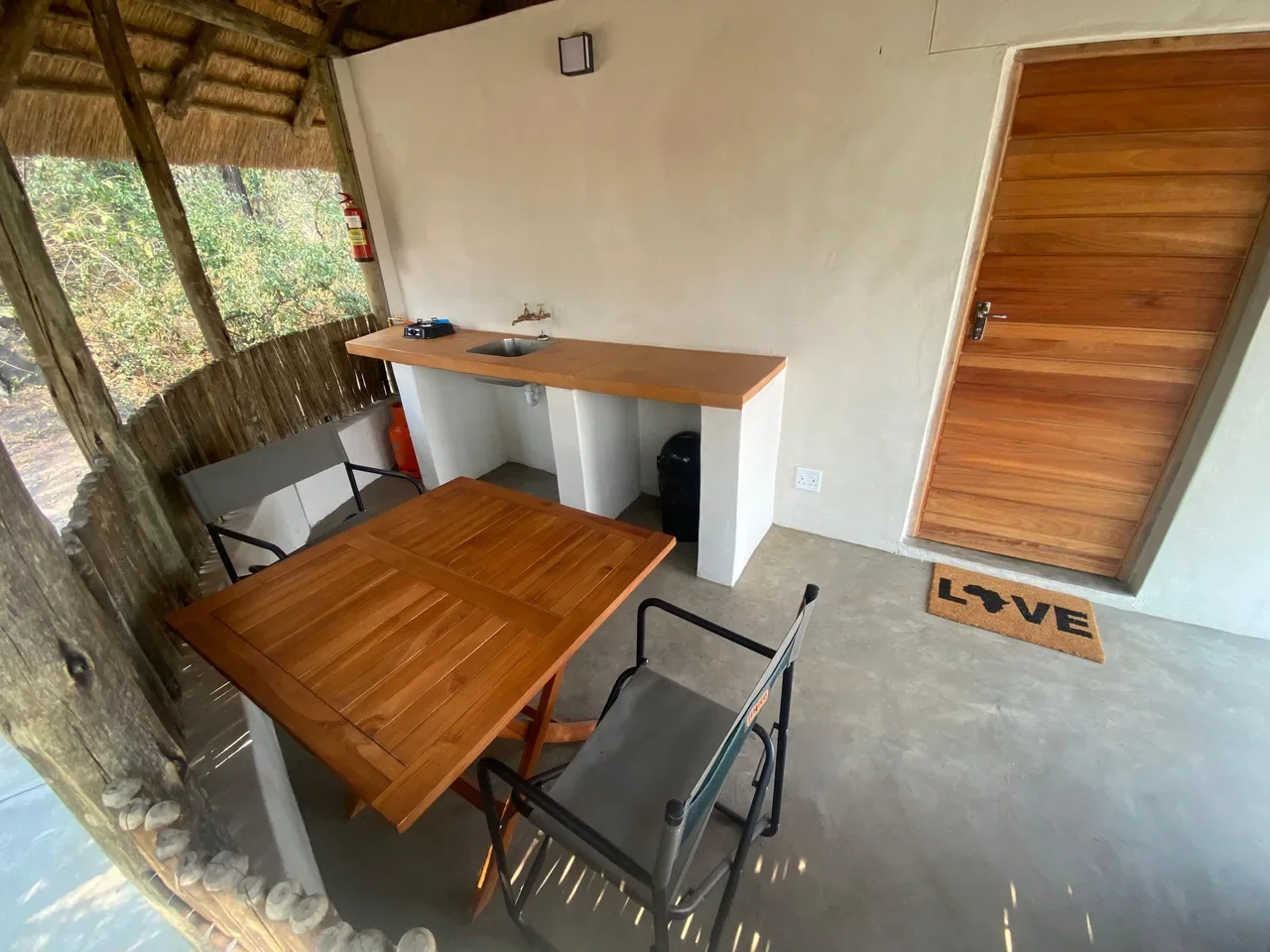
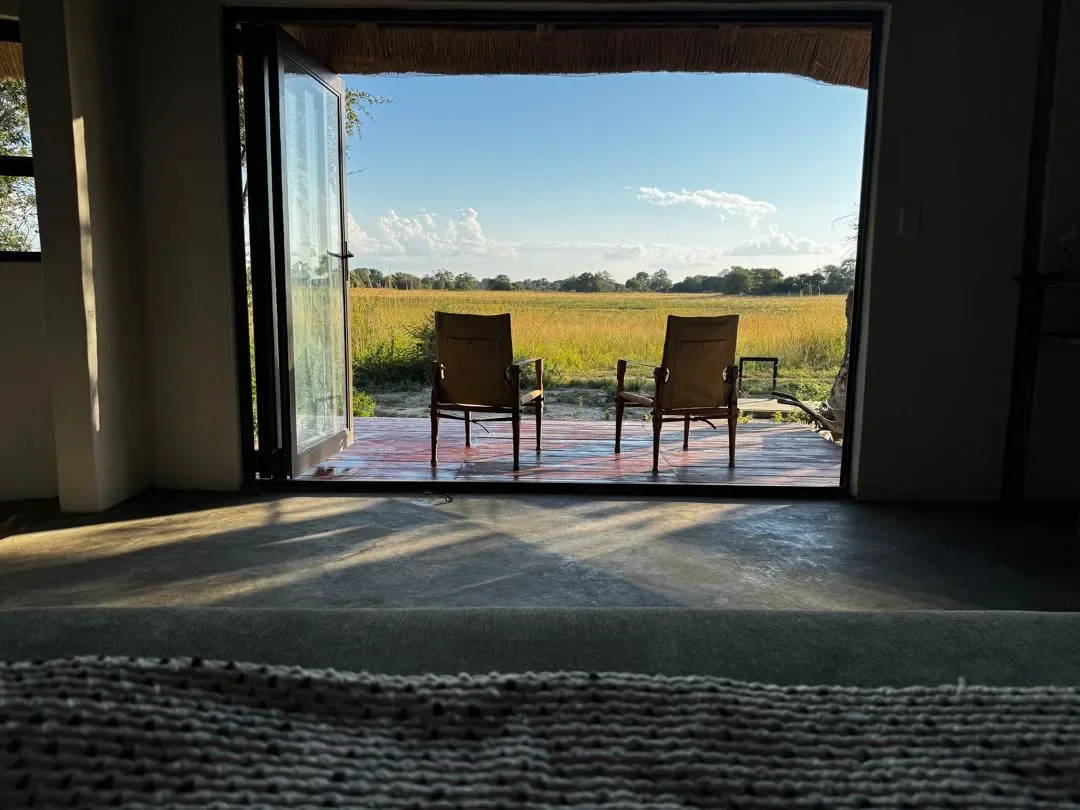
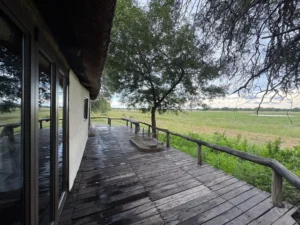
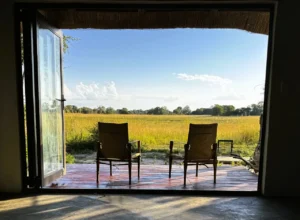
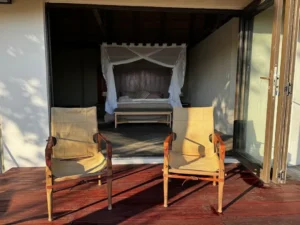
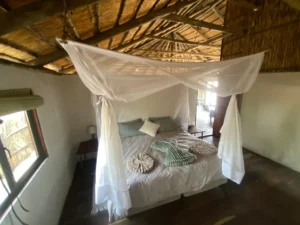
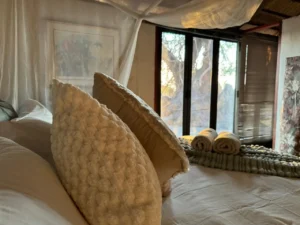
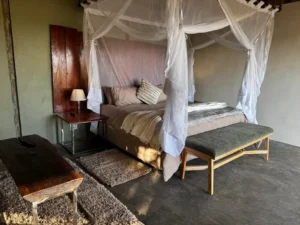
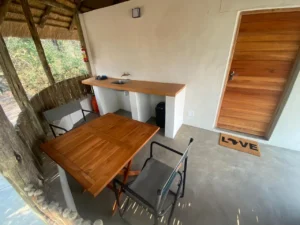
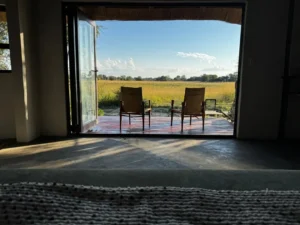
The self-catering chalet sleeps two and includes a king-size bed, private bathroom, outdoor kitchenette and a veranda facing the surrounding landscape. It is a practical choice for couples or solo travellers who prefer a furnished room while retaining the independence of preparing meals. The kitchenette and veranda let you spend time at your own accommodation between outings, with pre-booked dining available as an alternative to cooking.
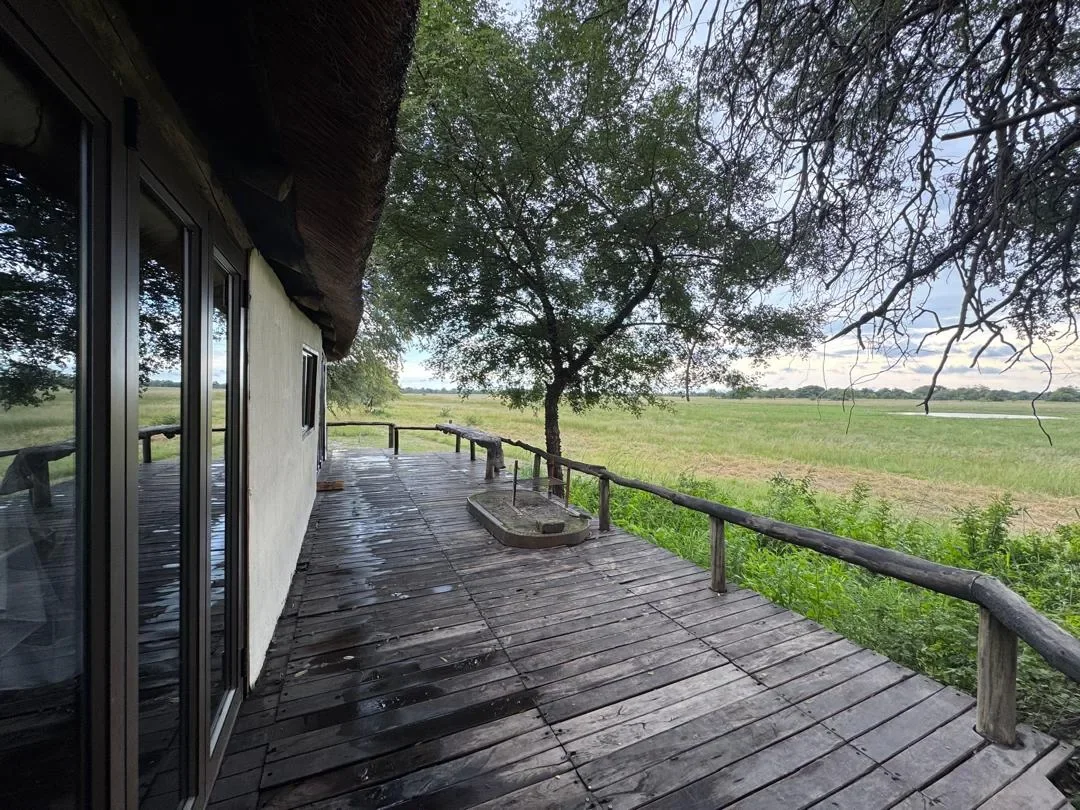
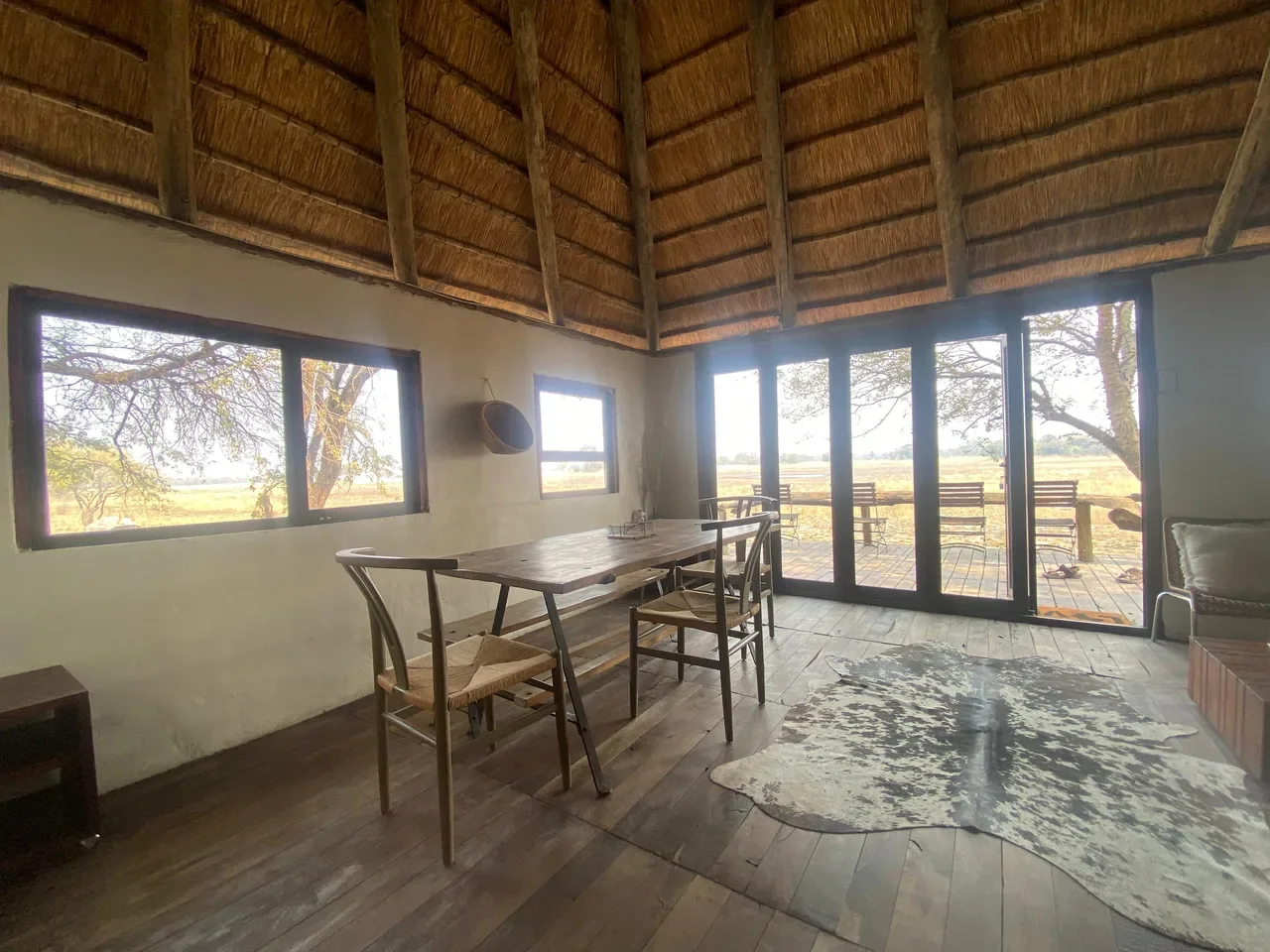
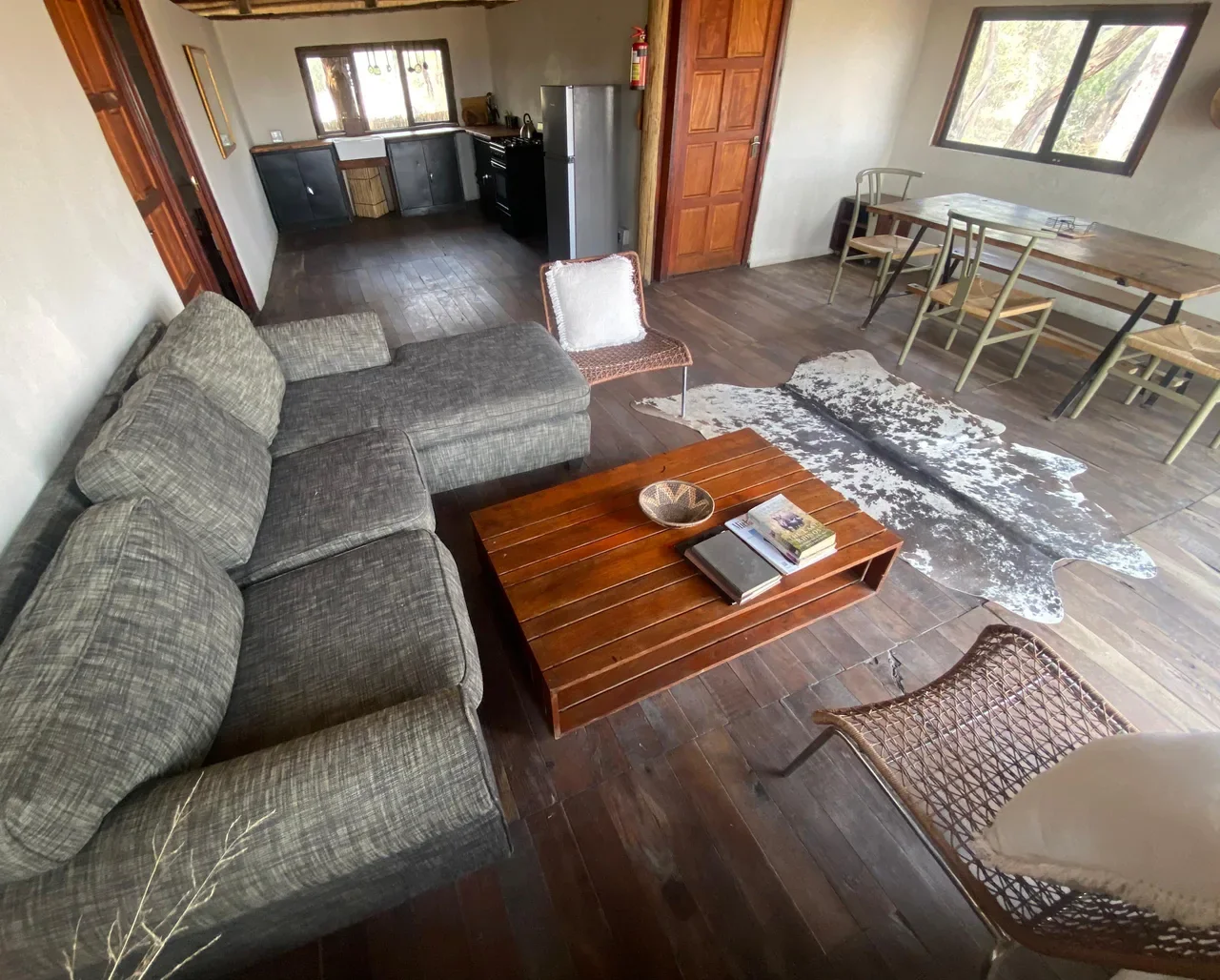
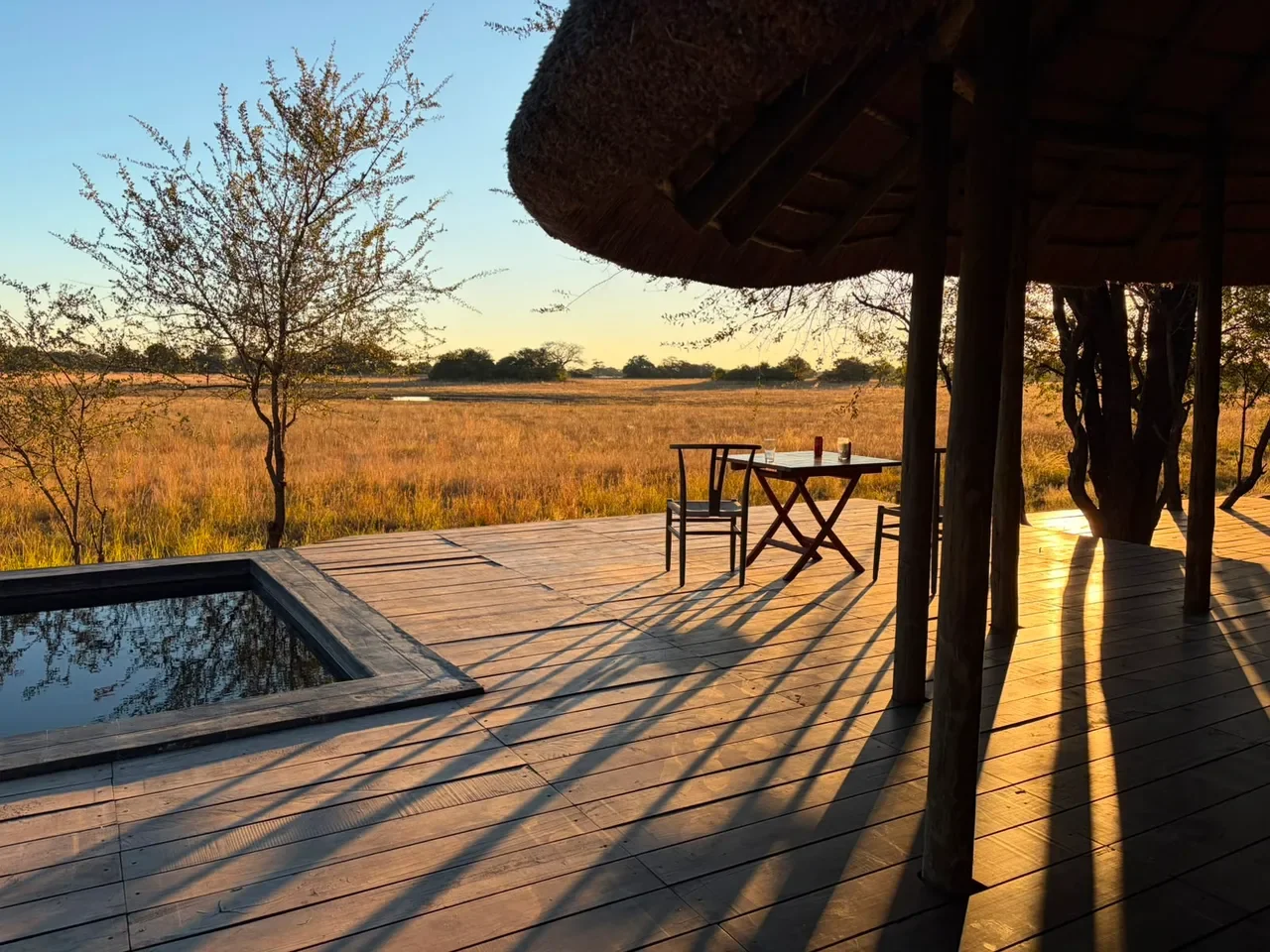
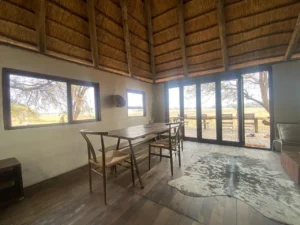
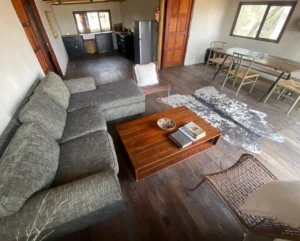
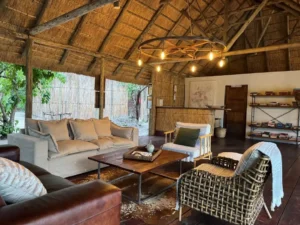
Livingstone’s House sleeps six and offers the most shared living space. Two king bedrooms have private en-suite bathrooms, while a separate children’s room contains two single beds. A lounge, kitchen and large wetland-facing deck give families or small groups space to cook, relax and spend time together. Choose it when being together in one house matters more than having separate accommodation. Its tariff covers the entire unit, while chalet and camping rates are per person.
Gather at the main area
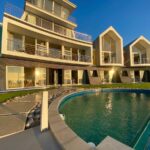
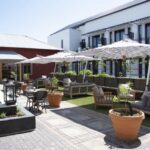
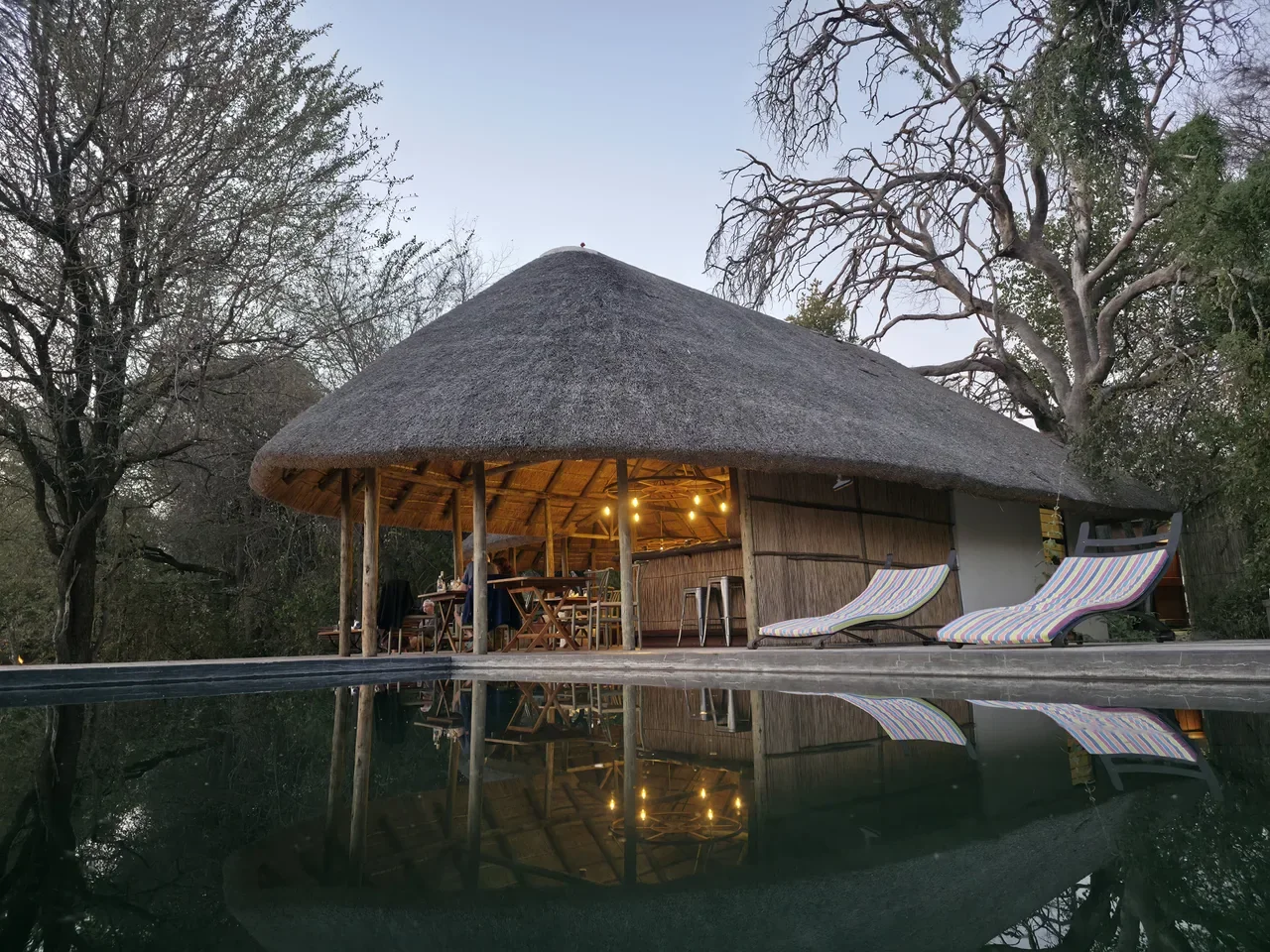
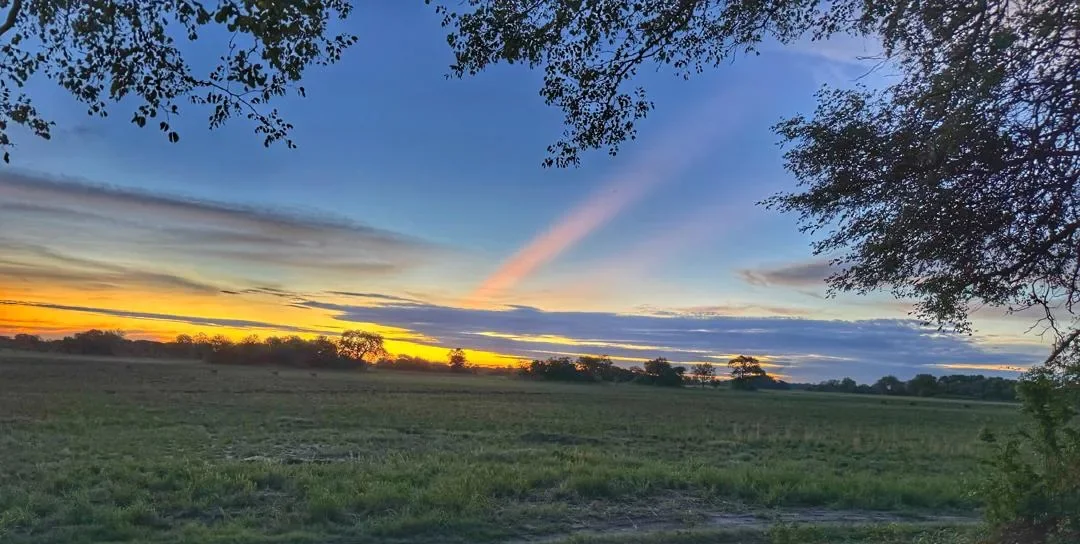
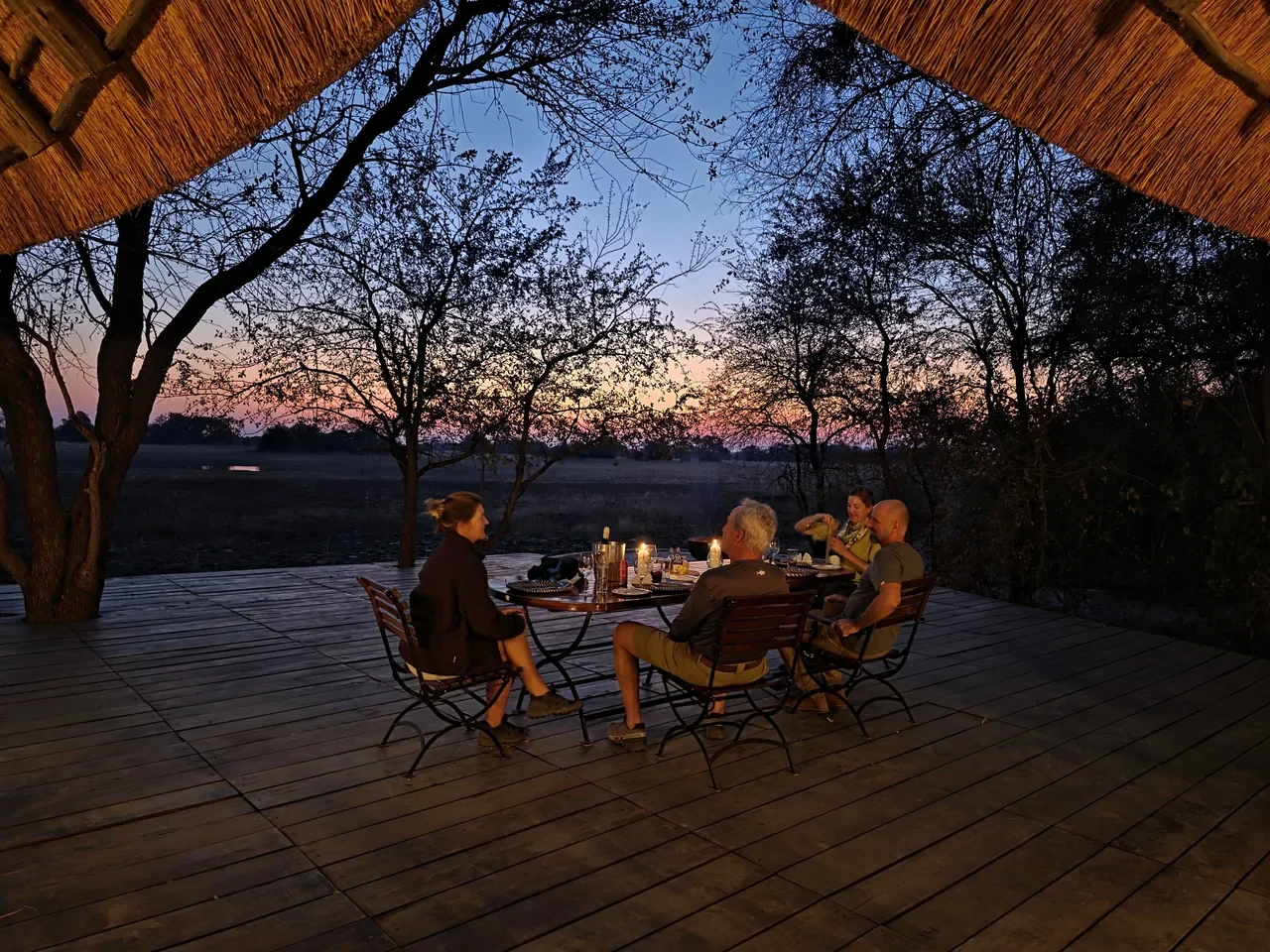
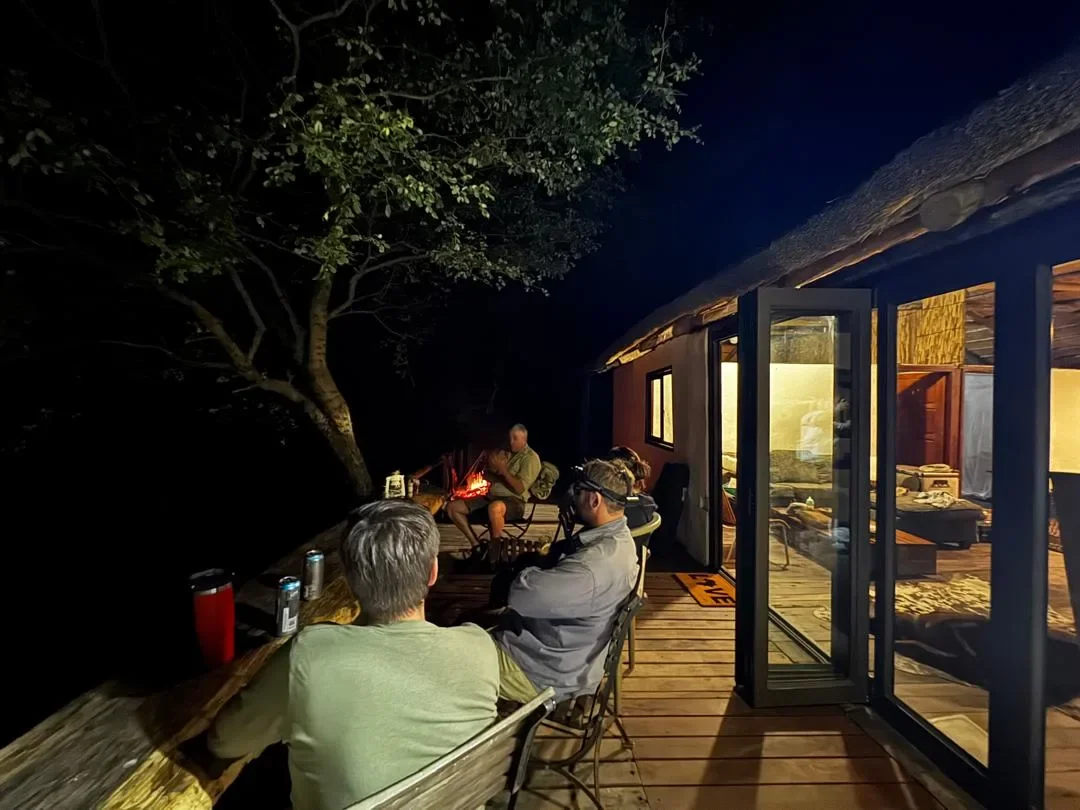
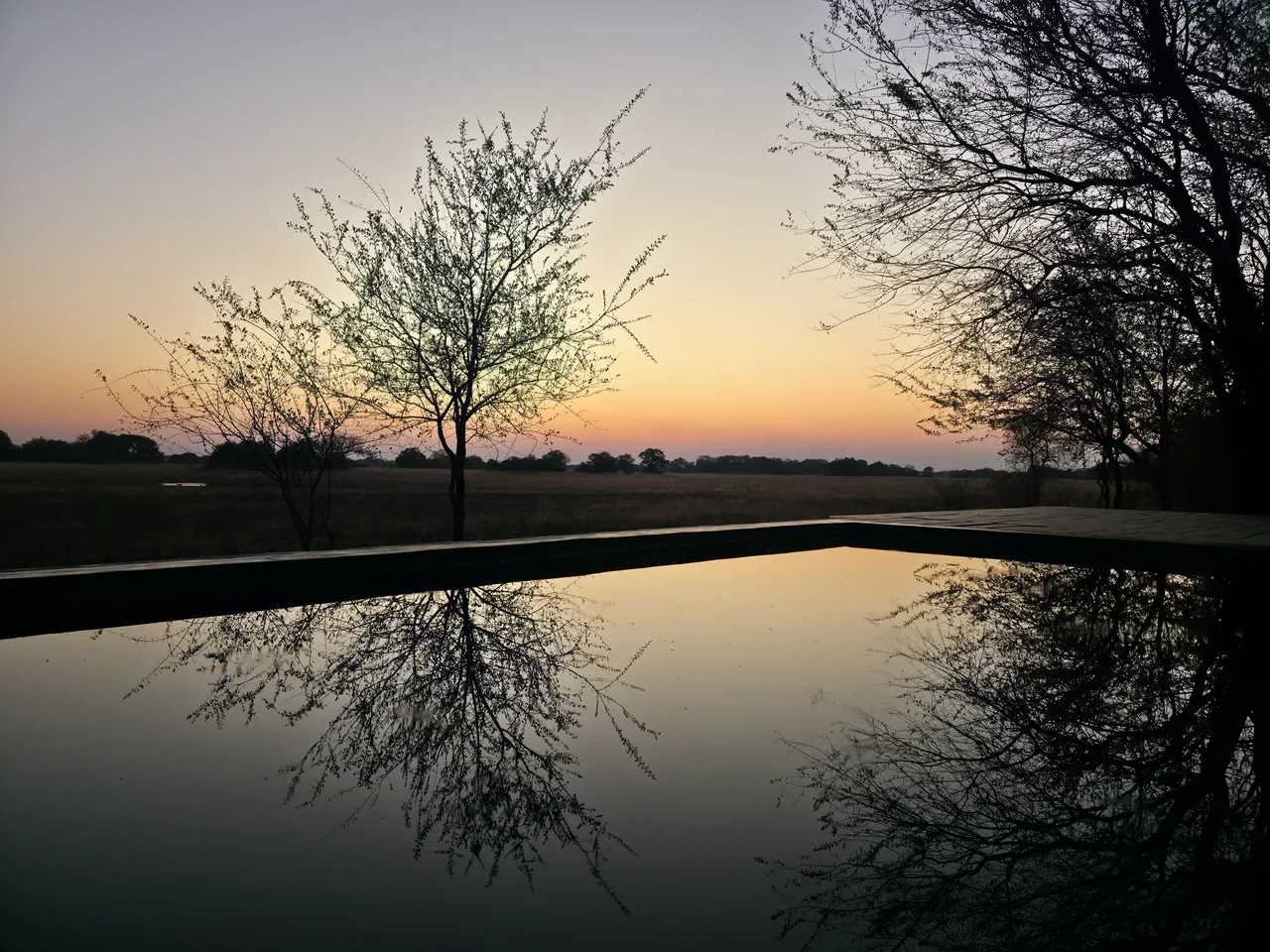
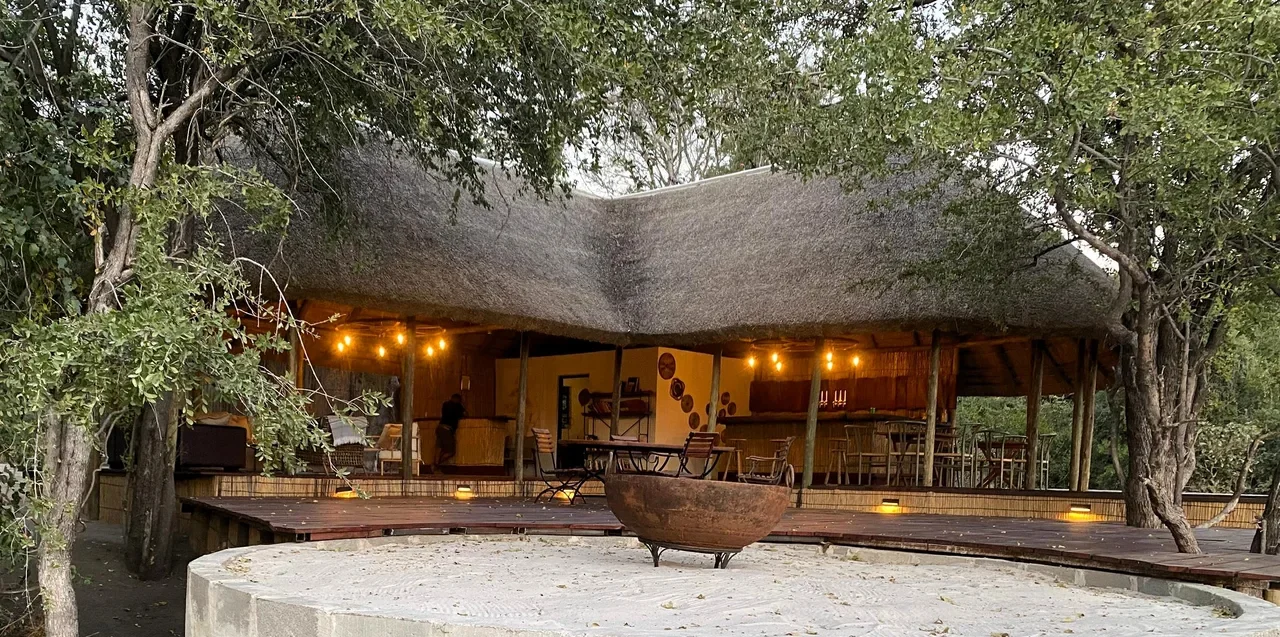
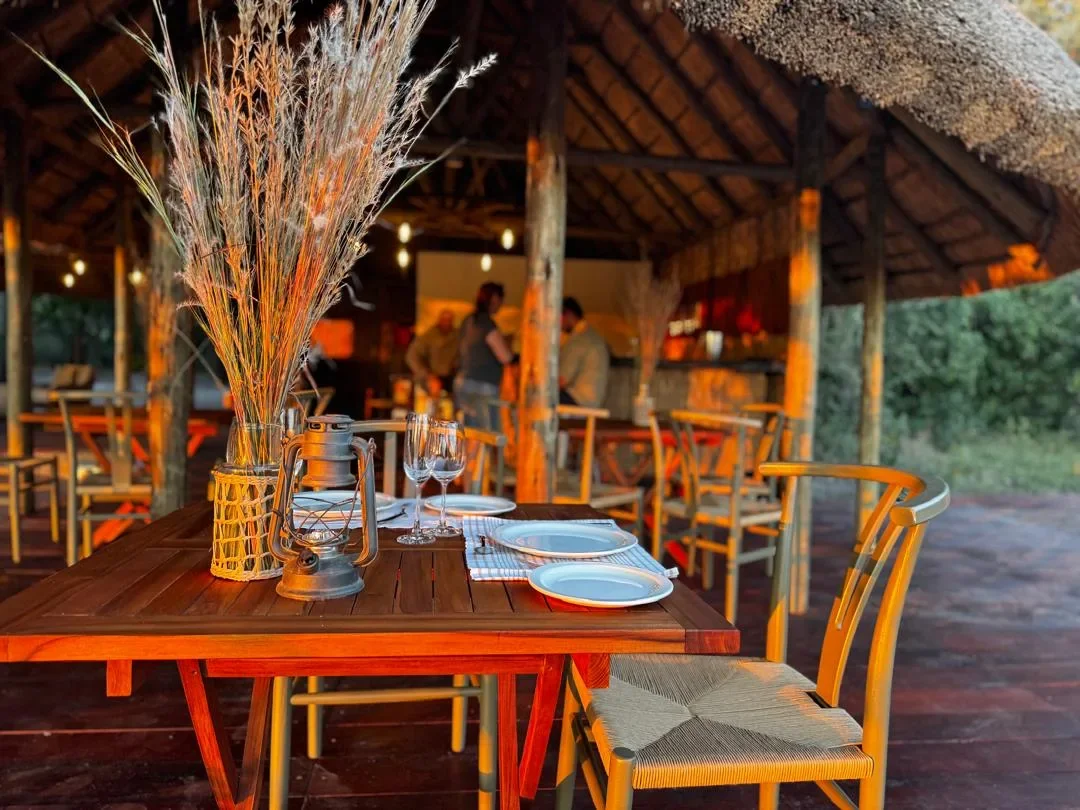
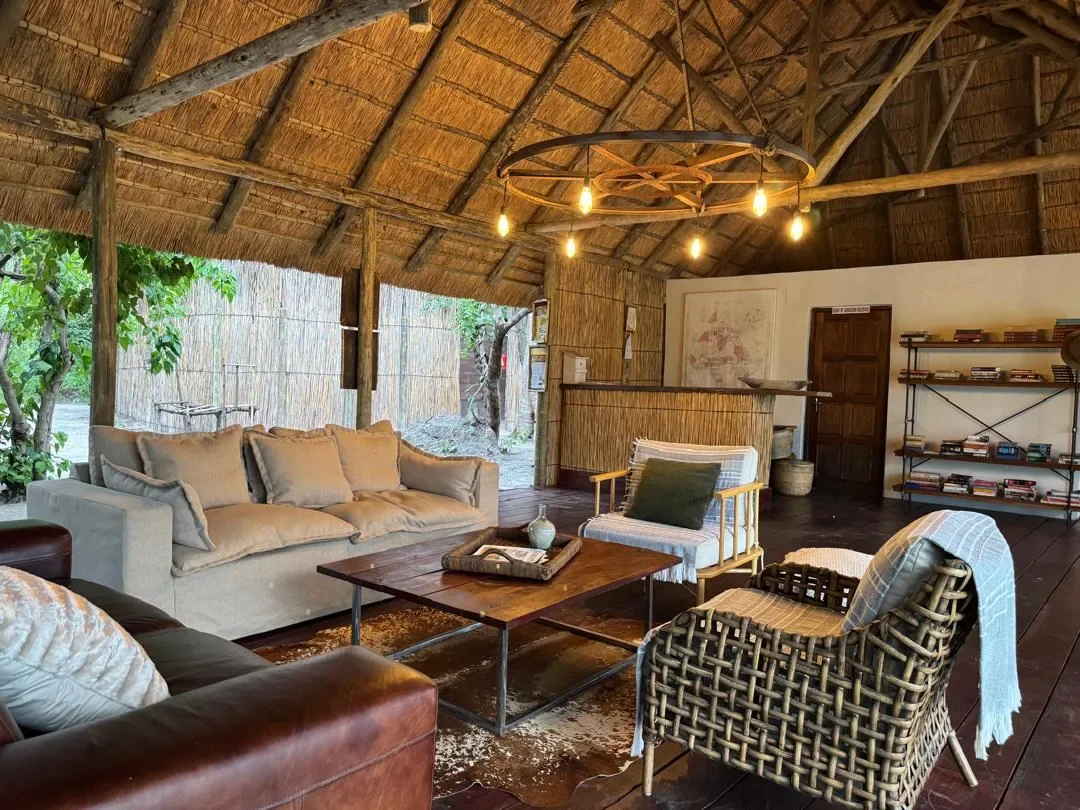
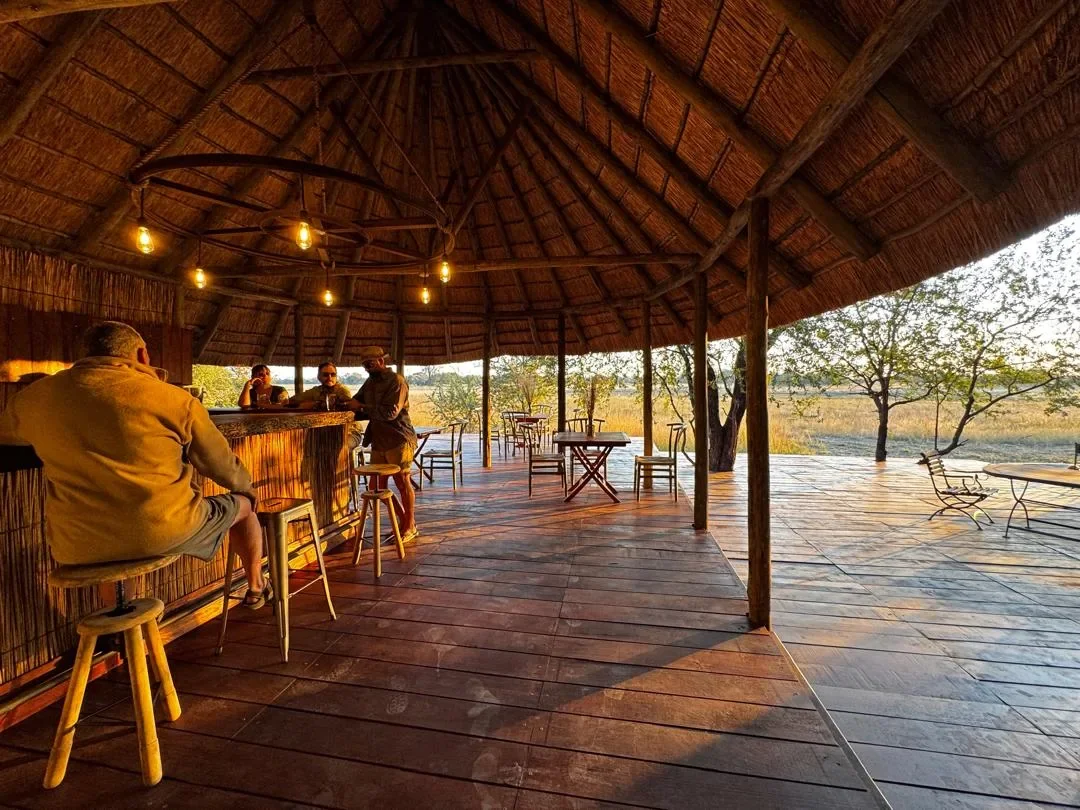
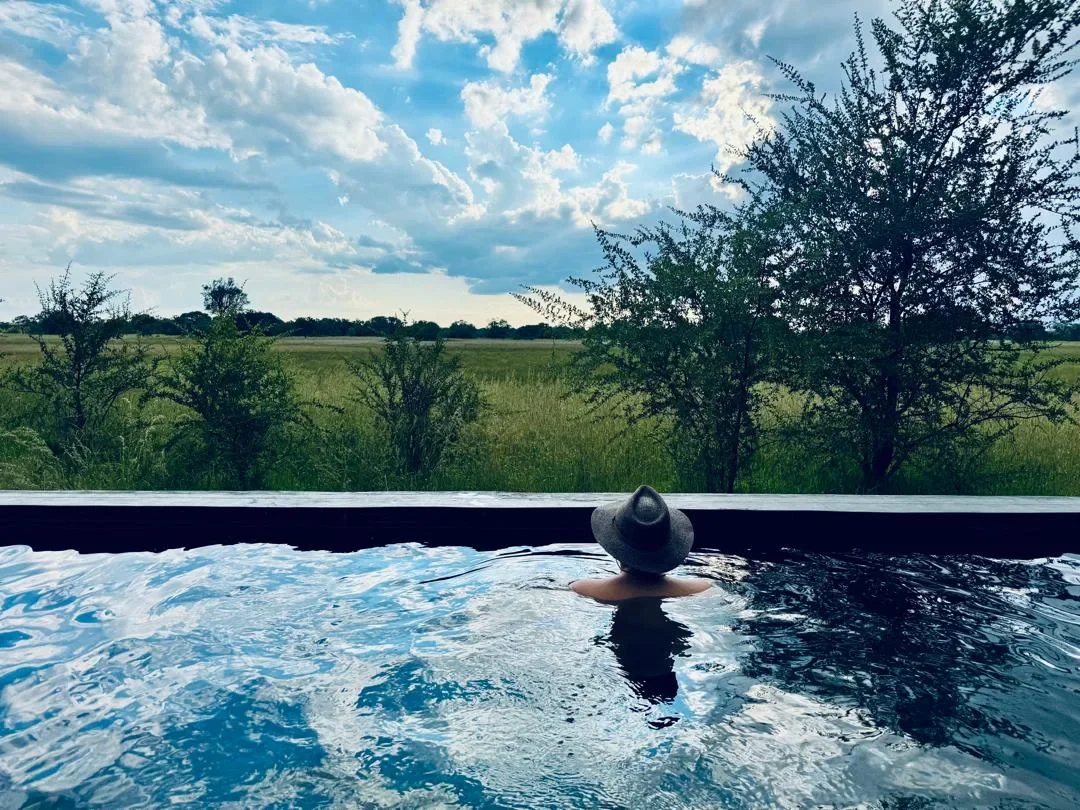
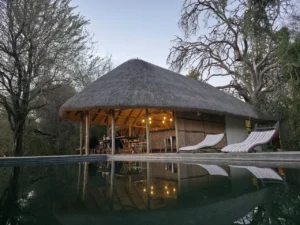
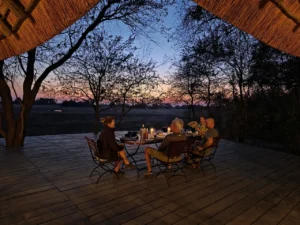
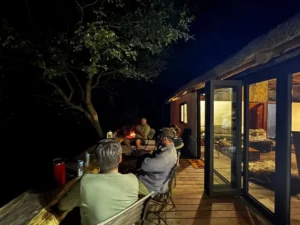
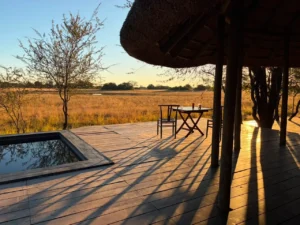
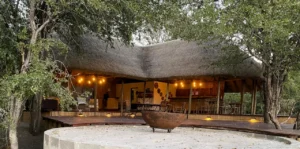
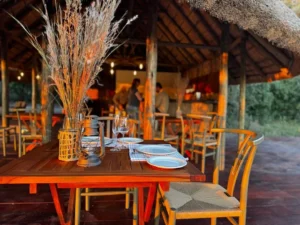
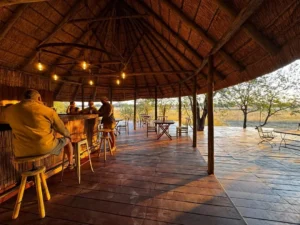
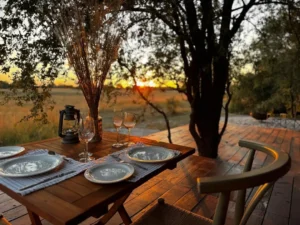
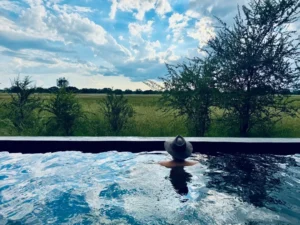
The main area combines a bar, comfortable lounge, dining space and cocktail pool overlooking the wetlands. It provides a natural meeting place before an activity, after a drive or during a quiet afternoon. The deck and pool area also offer opportunities to watch birdlife and the changing light without leaving camp.
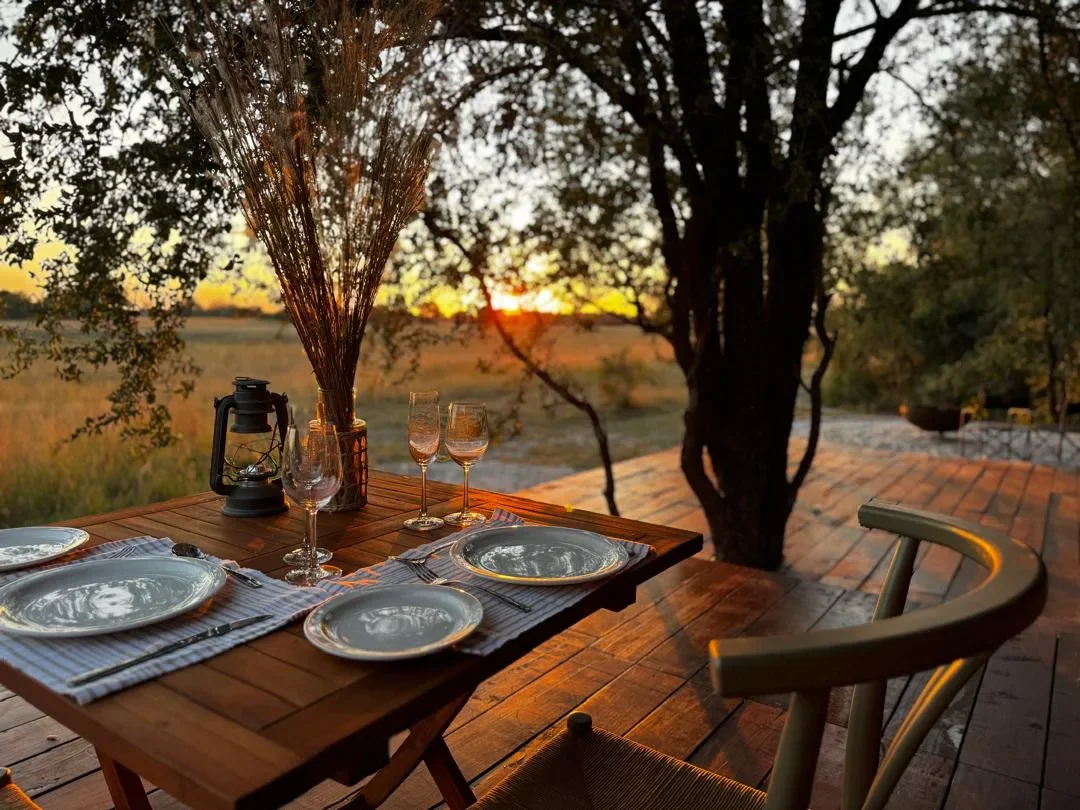
Accommodation is self-catering. Breakfast and dinner may be arranged at an additional charge and must be requested before arrival. Confirm availability, service times and dietary requirements when booking, especially if you would like to mix independent cooking with selected meals at the main area.
This is an off-grid camp with no Wi-Fi. Download maps, onward travel details and any information you need before reaching the property. Campsite solar facilities are intended for lighting and small-item charging; plan your equipment and supplies accordingly.
Experience the wetlands at different speeds
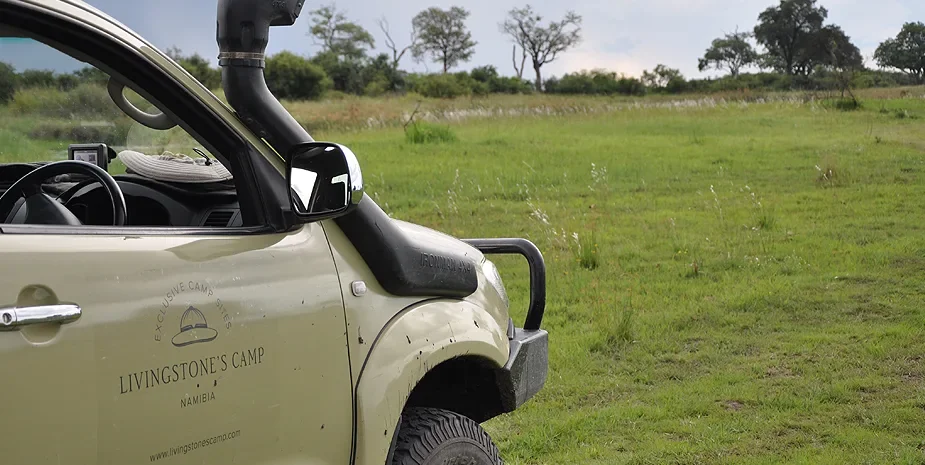
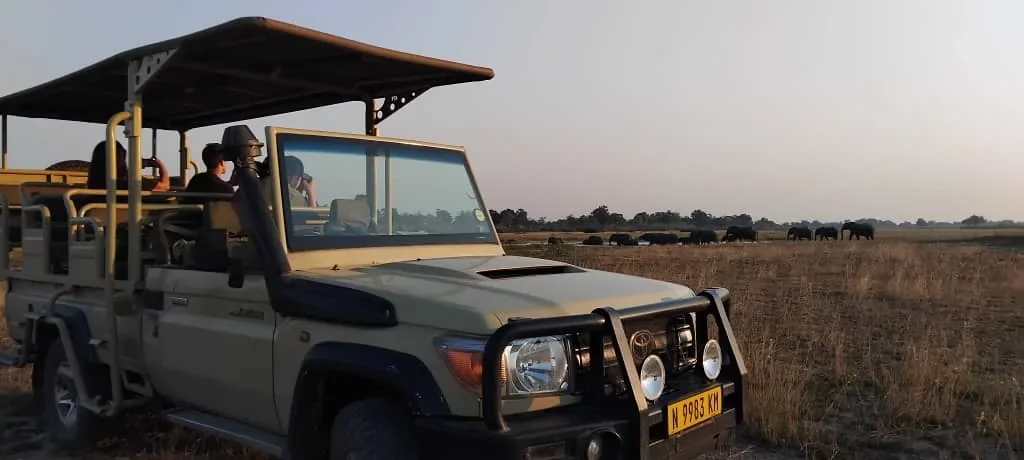
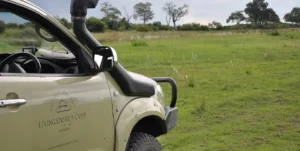
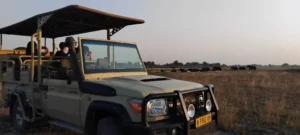
Guided game drives explore Nkasa Rupara’s floodplain, grassland and woodland habitats in an open game-viewing vehicle. Allow approximately three and a half hours. Guides select routes according to water and road conditions, looking for wildlife and signs of animal movement. Children under five cannot join.
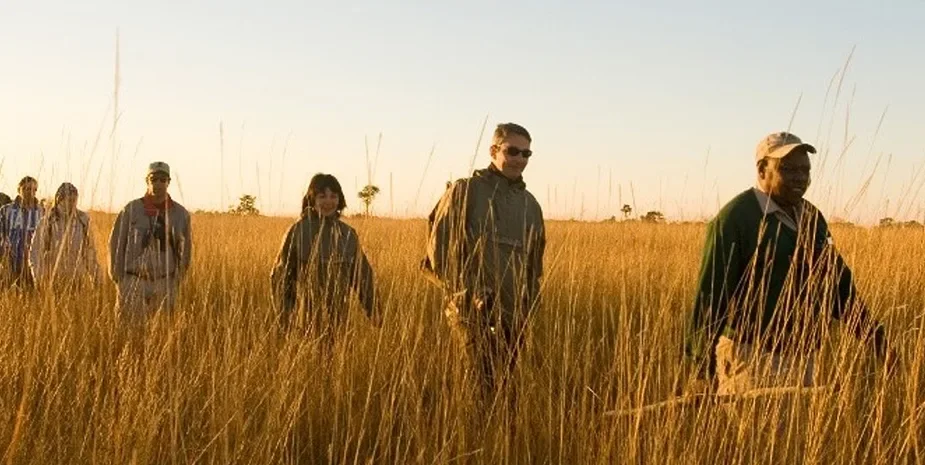
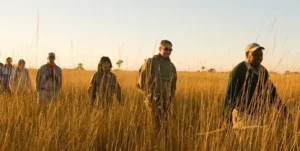
Walking safaris last around three hours and offer a closer look at tracks, plants, birds and smaller wildlife that can be missed from a vehicle. The guide assesses the route and walking conditions on the day. The minimum age is twelve.
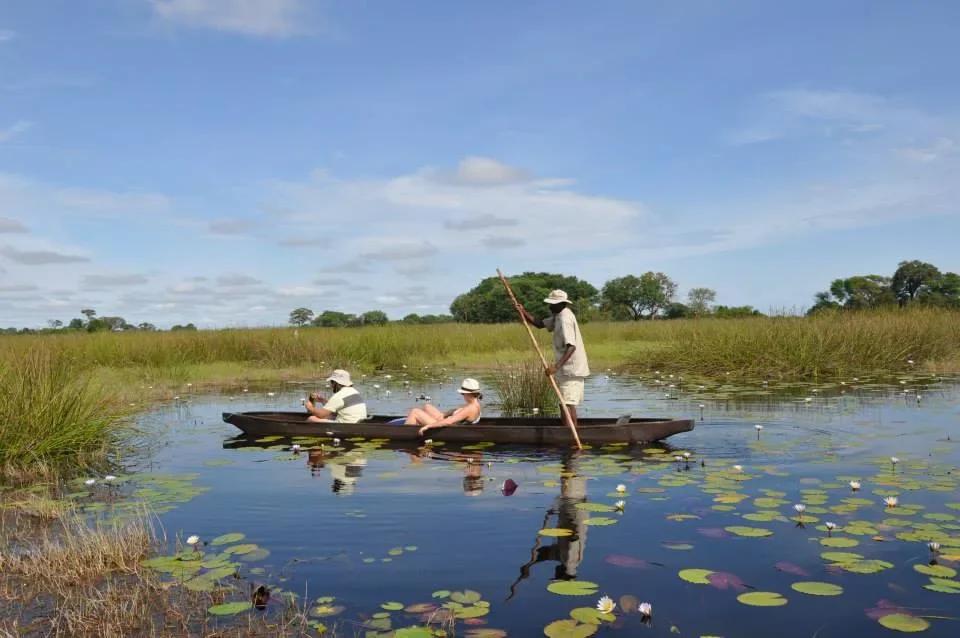
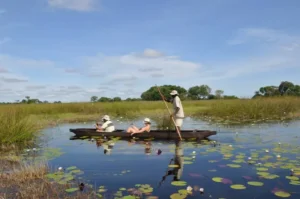
Seasonal mokoro safaris take approximately two hours, moving quietly through navigable wetland channels. They operate only when water levels allow, so request availability rather than assuming they can be added to every stay.
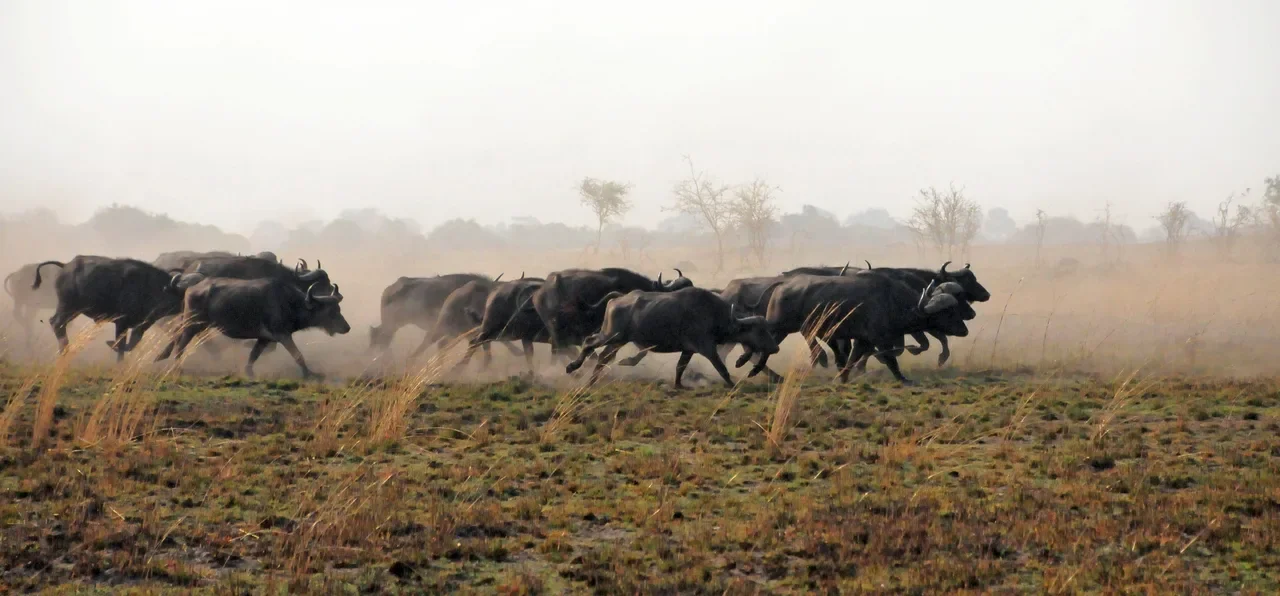
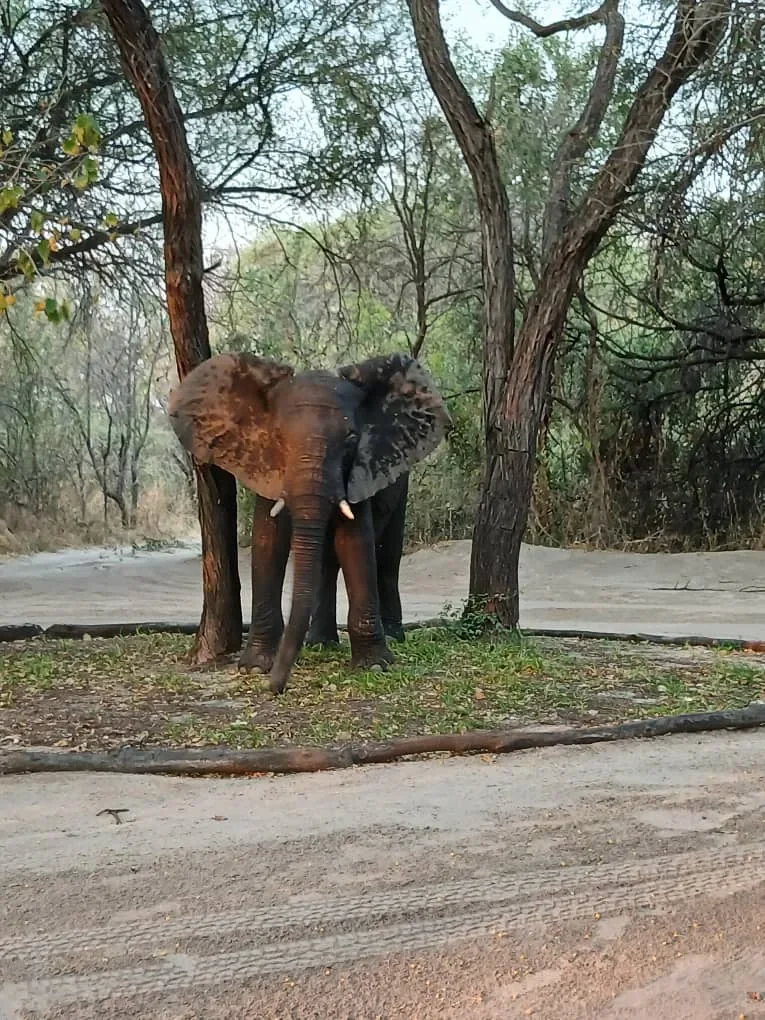
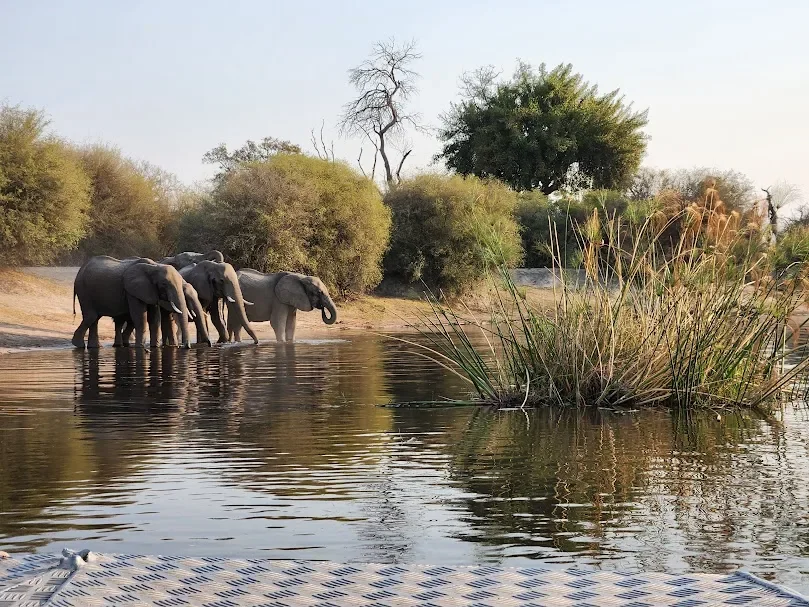
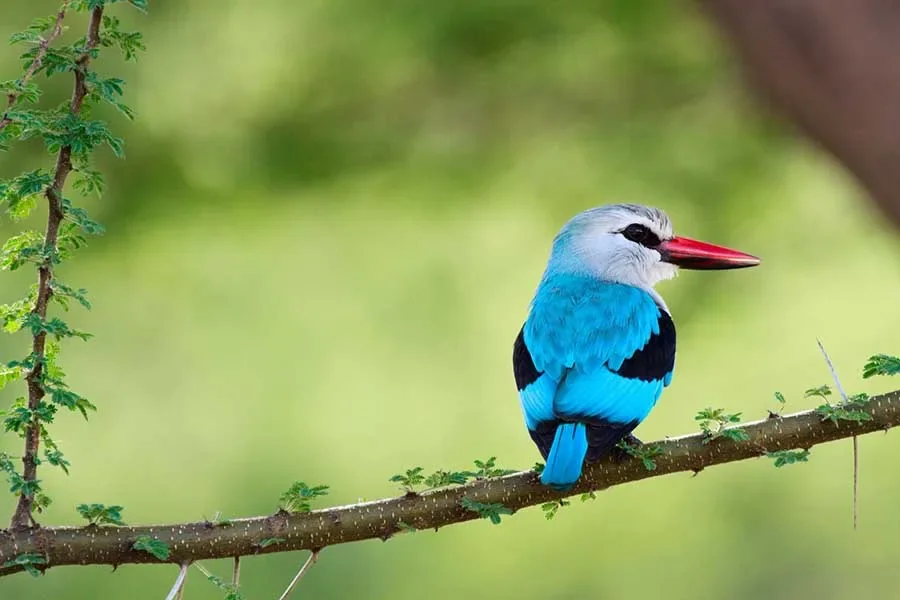
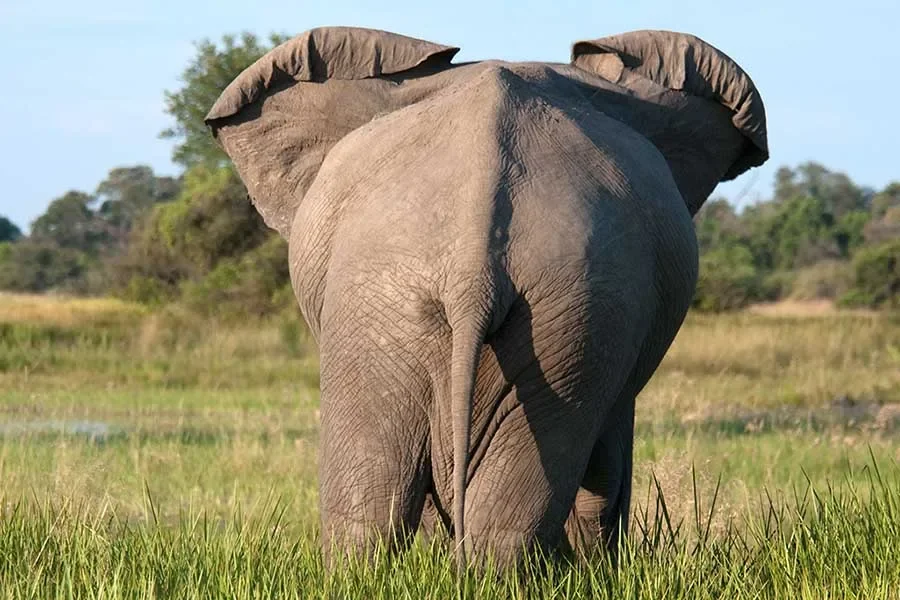
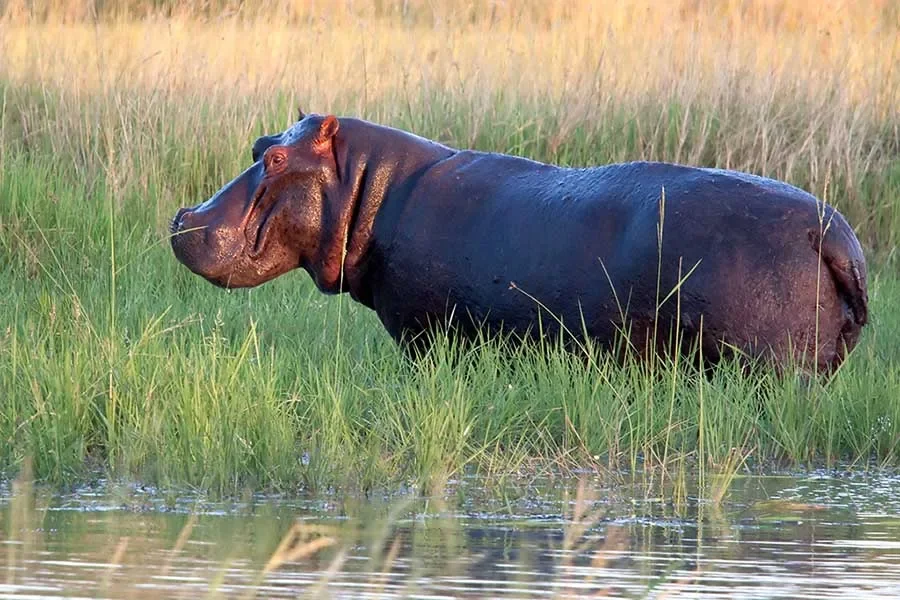
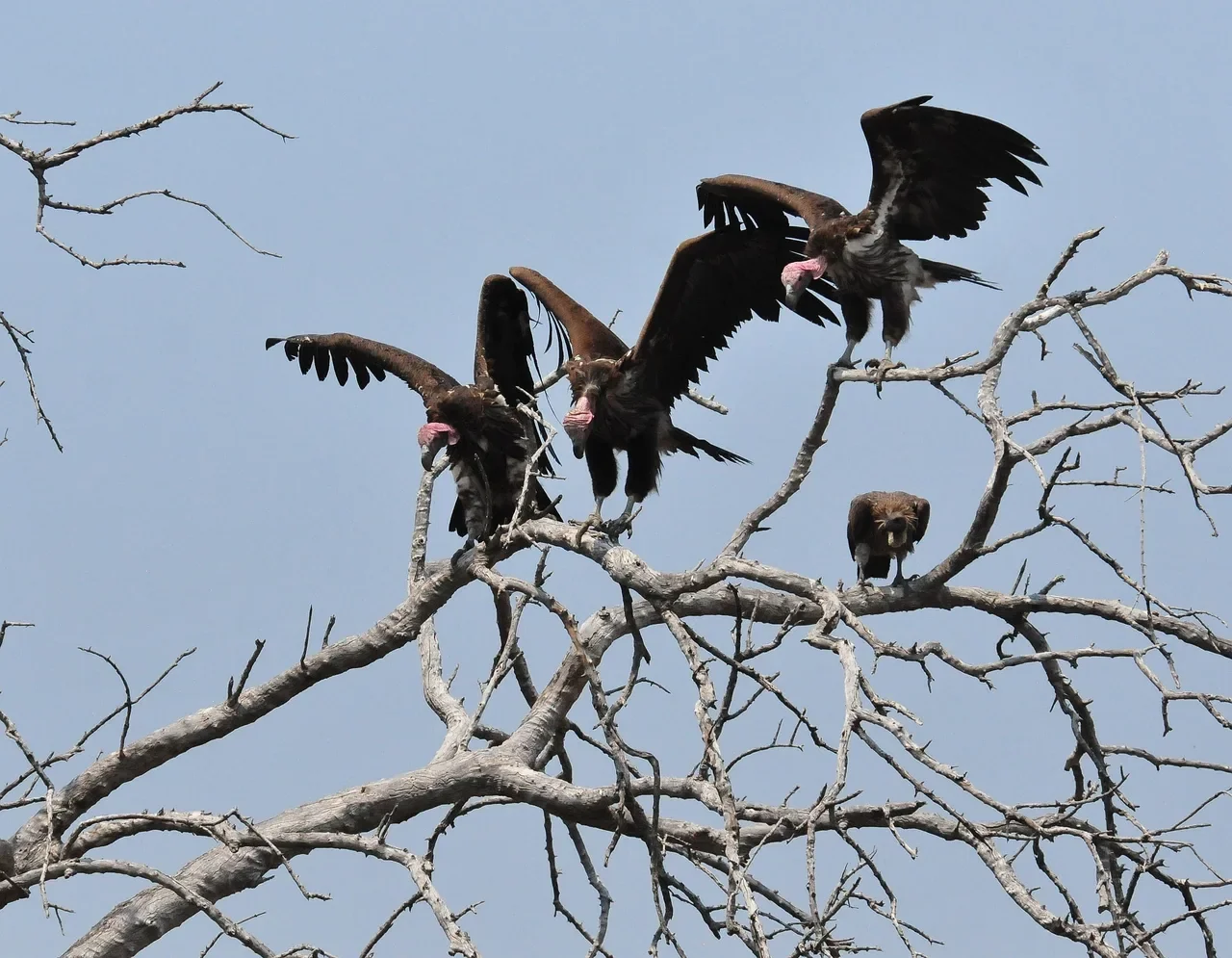
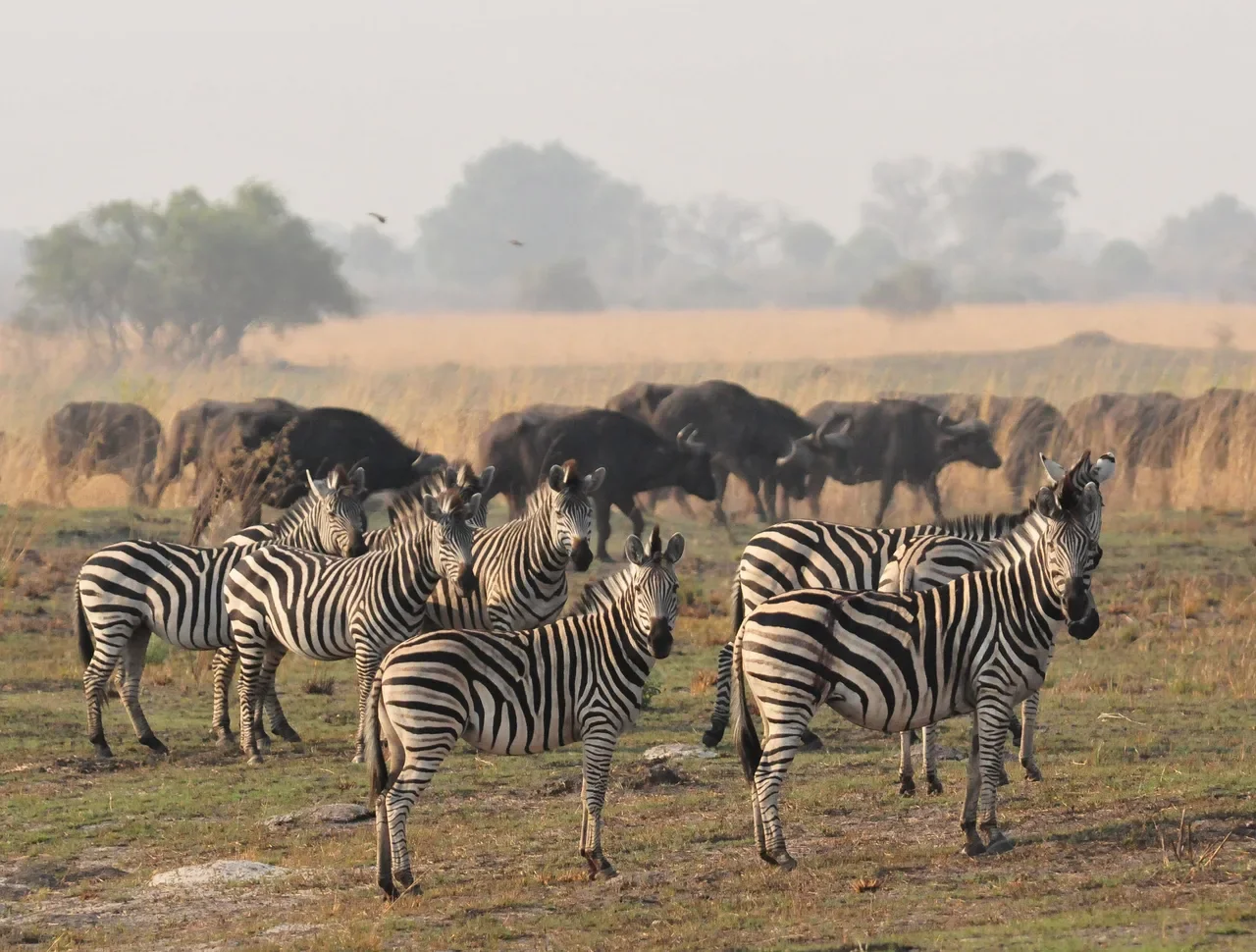
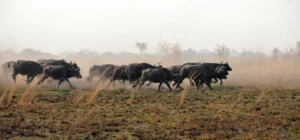
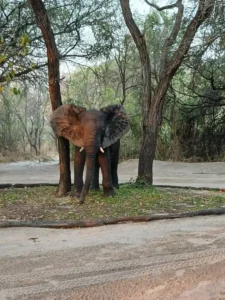
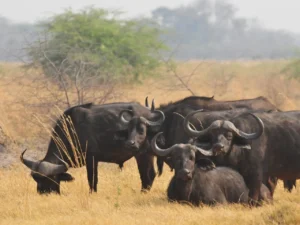
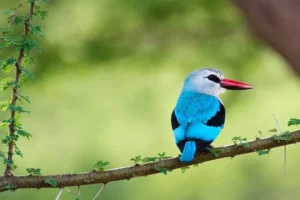
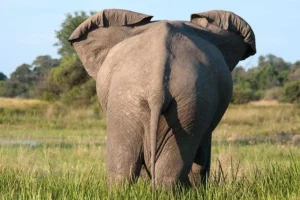
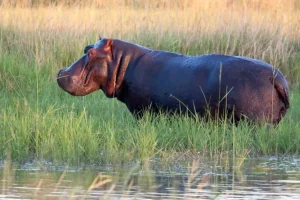
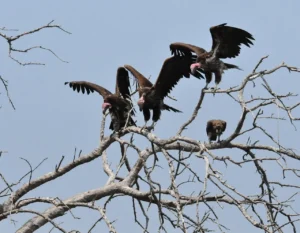
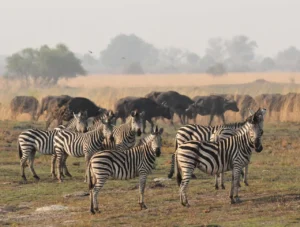
Birding can be enjoyed from camp or incorporated into guided outings. The mix of wetland and woodland attracts different species through the seasons. Elephants, buffalo, antelope and predators also move through the wider landscape, but wildlife sightings depend on natural movements.
Cultural and historical visits combine the local Livingstone museum with the option of a traditional Mayeye village visit. Museum custodian Linus Mukwata shares knowledge of Livingstone’s journeys and the area’s history. Allow approximately three hours and arrange the visit in advance, subject to local availability. Guided activities are charged separately.
Arrive prepared for a remote, unfenced setting
Access is via Sangwali Village near Nkasa Rupara National Park. From Kongola, follow the C49/M125 for approximately 69.5 km before turning towards Sangwali; continue through the village for approximately 4.6 km. From Katima Mulilo, take the Linyanti turn-off after approximately 7 km on the B8 towards Kongola, then follow the C49 for about 125 km before the Sangwali turn.
Confirm current road conditions and vehicle requirements before travelling, as seasonal water can affect access. Carry sufficient food, personal supplies, medication and suitable clothing. The camp is unfenced: keep a respectful distance from wildlife, follow all camp and guide instructions, and seek guidance about moving around after dark.
Contact Travel 2 Namibia with your dates, group size and preferred stay option so accommodation, meals and suitable activities can be arranged together.